

Timelessness and Stewardship
Designer and Creative Director Samuel Ross on luxury, taste, memory, and the long arc of making

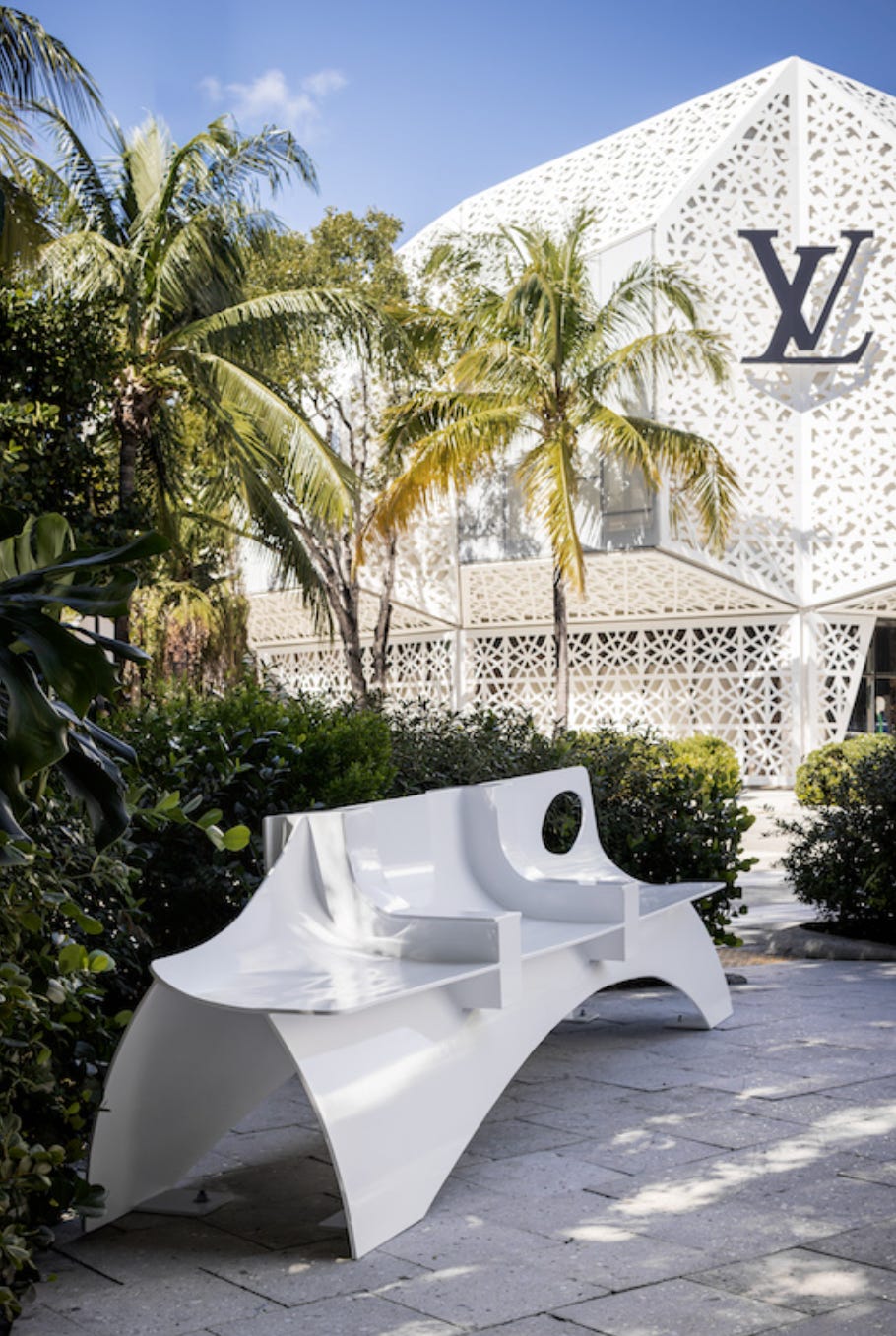
Artist and designer Dr. Samuel Ross MBE was born in Brixton, growing up between South London, rural England, and the Caribbean. Through fashion, art, and object-making, Ross explores urgent cultural truths with a distinct language shaped by utility, deconstruction, and social tension. His artworks sit within The Met, White Cube, The V&A, Friedman Benda & Saatchi Yates, with public artworks permanently installed in both London and Miami.
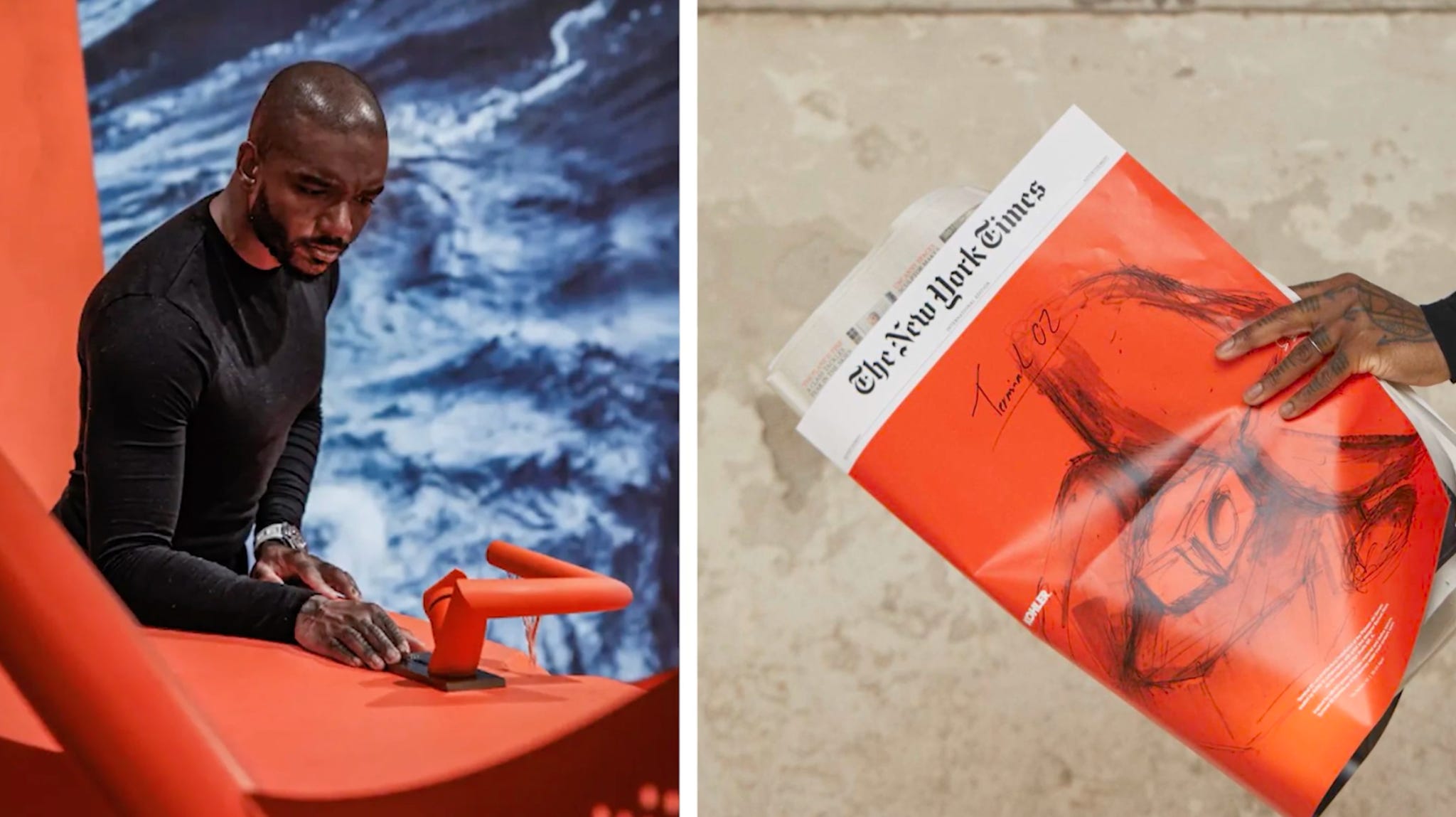
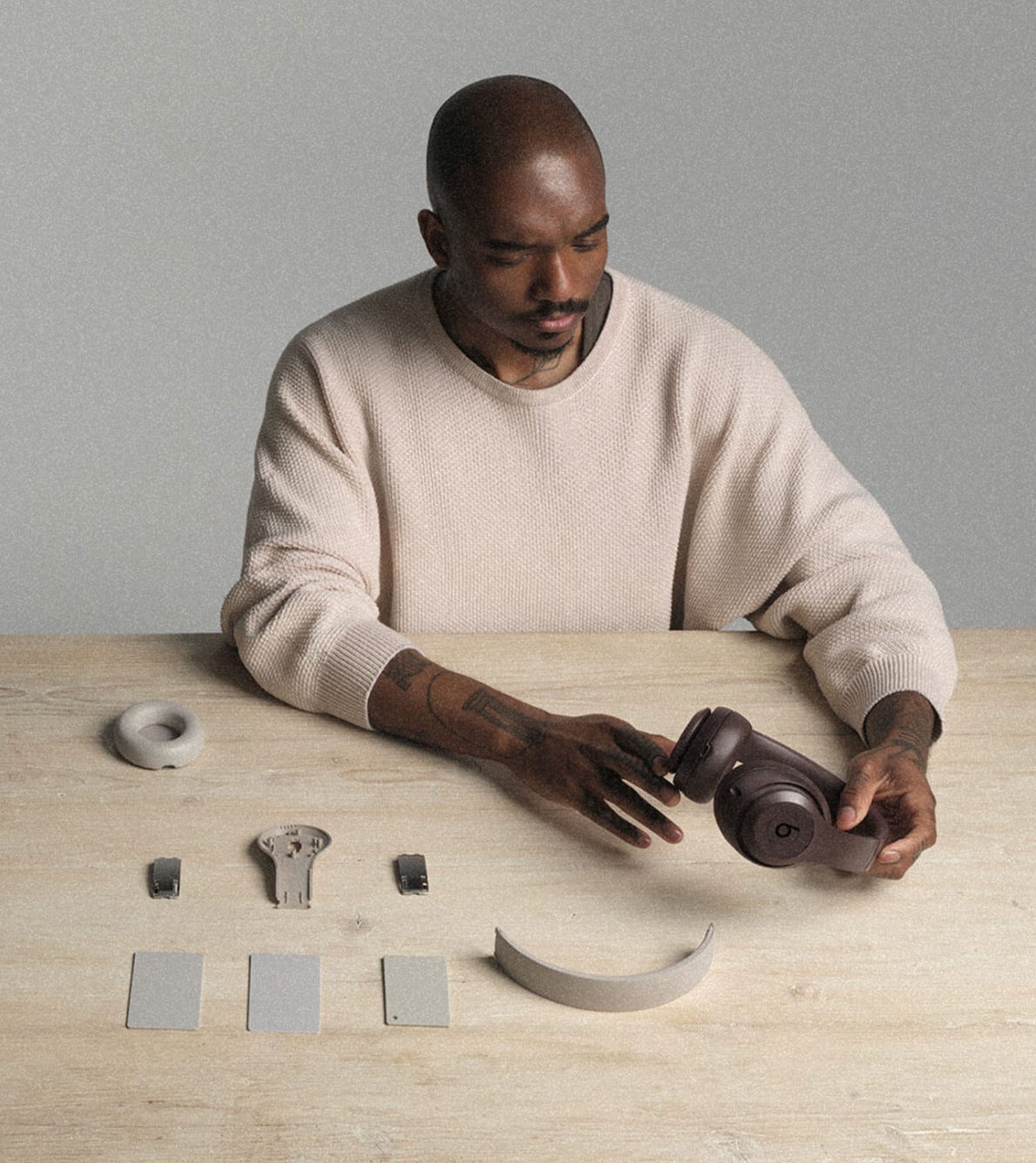
Earlier in his career, Ross worked with the late Virgil Abloh, before founding A-COLD-WALL* where he recently sold his majority stake. Now, through his British atelier, SR_A ‘Studio Research Attire’, Ross creates atelier garments, and distinct hard luxury goods. He continues to partner with select groups including Nike, Kohler, LVMH, Apple Group, and Aqua di Parma through SR_A.
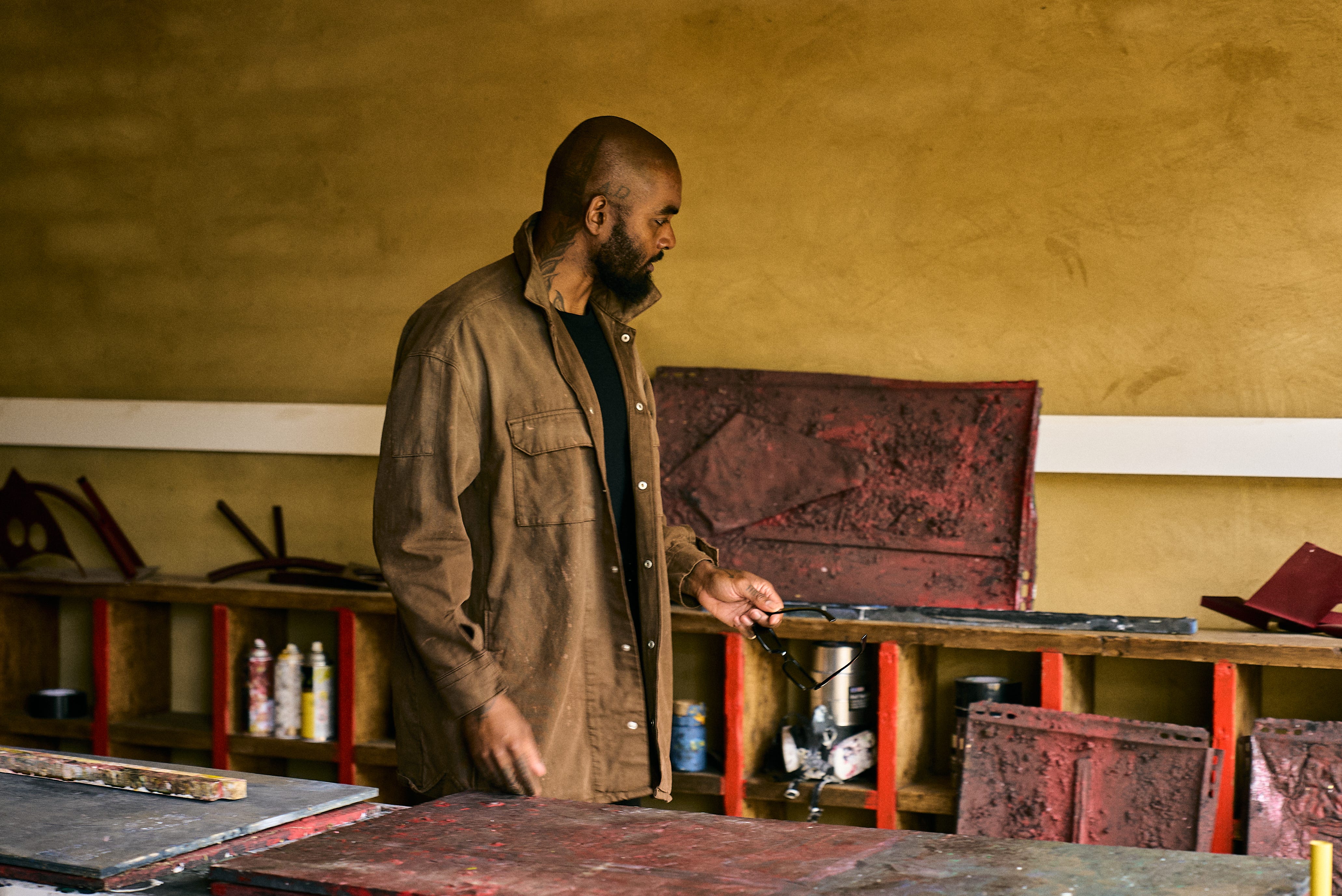
We got to visit him at his rural studio in the Midlands ahead of his exhibit at Basic.Space London.
What does taste mean to you?
Taste is a life experience expressed through material, texture, form, and a sense of closeness - emotions coming together in material form. It’s about belonging to a place or culture, expressed through shape and material.
Taste and style are one in the same - it’s music, culinary, scent, light within a curated space - all determined by your life’s experiences. Taste is living, not an object. It’s analogous to newness, a growing principle. You can’t buy it - it’s something you grow into.
To a degree, taste is knowledge, even knowledge that has nothing to do with design or art. Taste is also about providence and choice - moving into a particular aesthetic or sensibility or politics. It’s a way to signal who we are and our place in the world.
Do you think the rational side of us has to think about what we do, or is it more instinct?
Taste is something that should be felt more than thought. There’s a tension - taste has two aspects that are totally organic and flow from the self, but the self is shaped by outer engagements and experiences. It’s an elastic band - the push and pull creates energy and definition. Ideally you want someone to pursue higher tastes and higher principles of being a good human, through literature, art, learning, language, food, travel. Taste is a response to that pursuit.
What does luxury mean to you?
Luxury is simply time - the ability to think across a longer throw of time and not be reactive to trend cycles. The word he prefers is “artisan” - the return of reverence for the craftsperson. Dedicating yourself to a particular discipline or craft, sometimes for half a century or longer - that is luxury. Fundamentally, luxury is the expression of excellence more than a price barrier.
What makes something timeless?
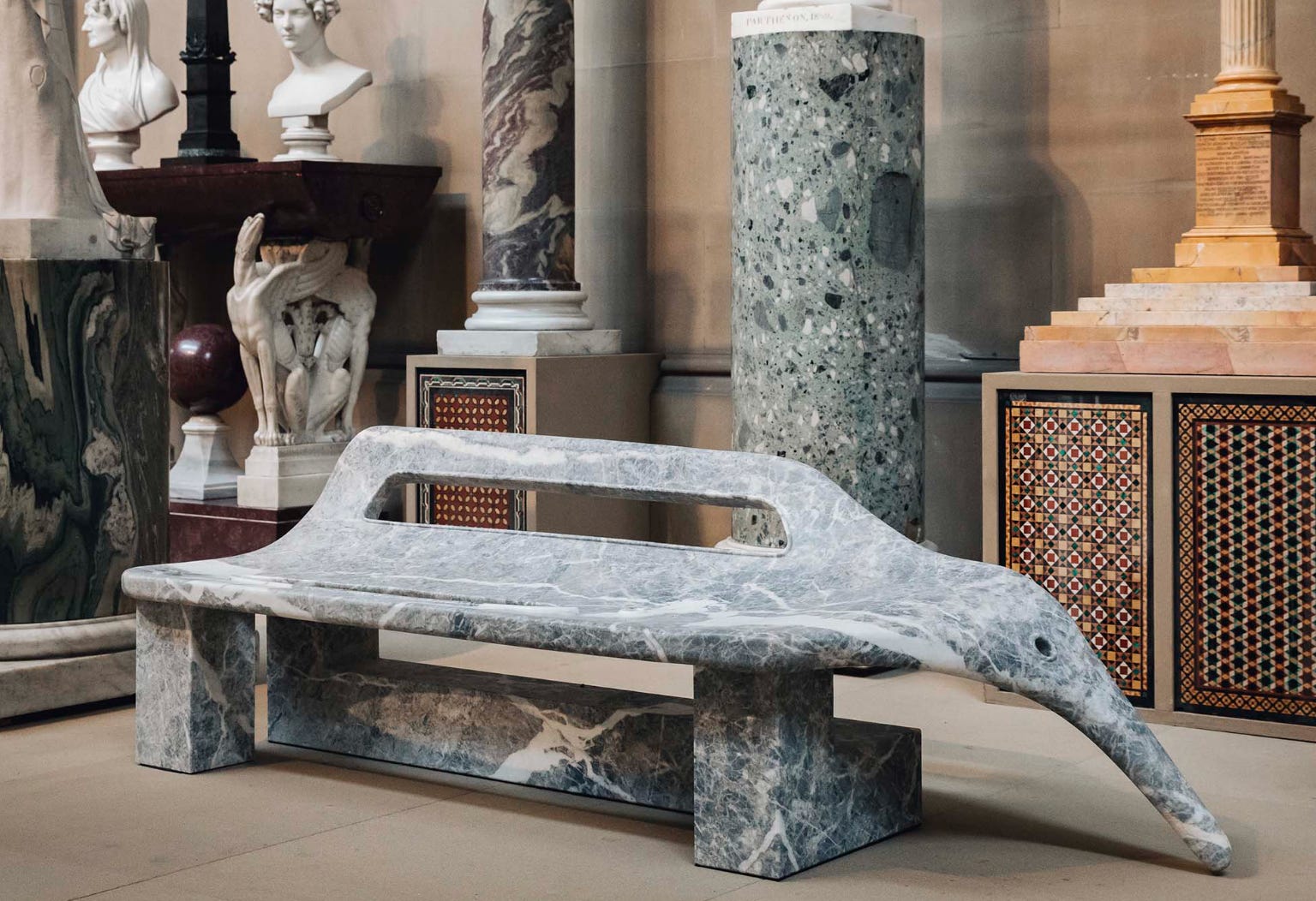
The principle and the application. Timelessness relates to materiality, structure, and quality of materials. The studio they’re in was established in the 15th century - nearly 600 years of custodians caring for it generation to generation. That level of care and cultivation from the very start validates timelessness. Timelessness and stewardship are one in the same. Creating without the expectation of immediate sale leads to more comprehensive, timeless works.
Creating simply as a process - not for a market - is perhaps the most pious way to approach timelessness. If you’re creating to sell immediately, it works in that moment but not in 20 years. Like Michelangelo - he created for himself, as human research, and it still works today.
Were you inspired by someone in your family?
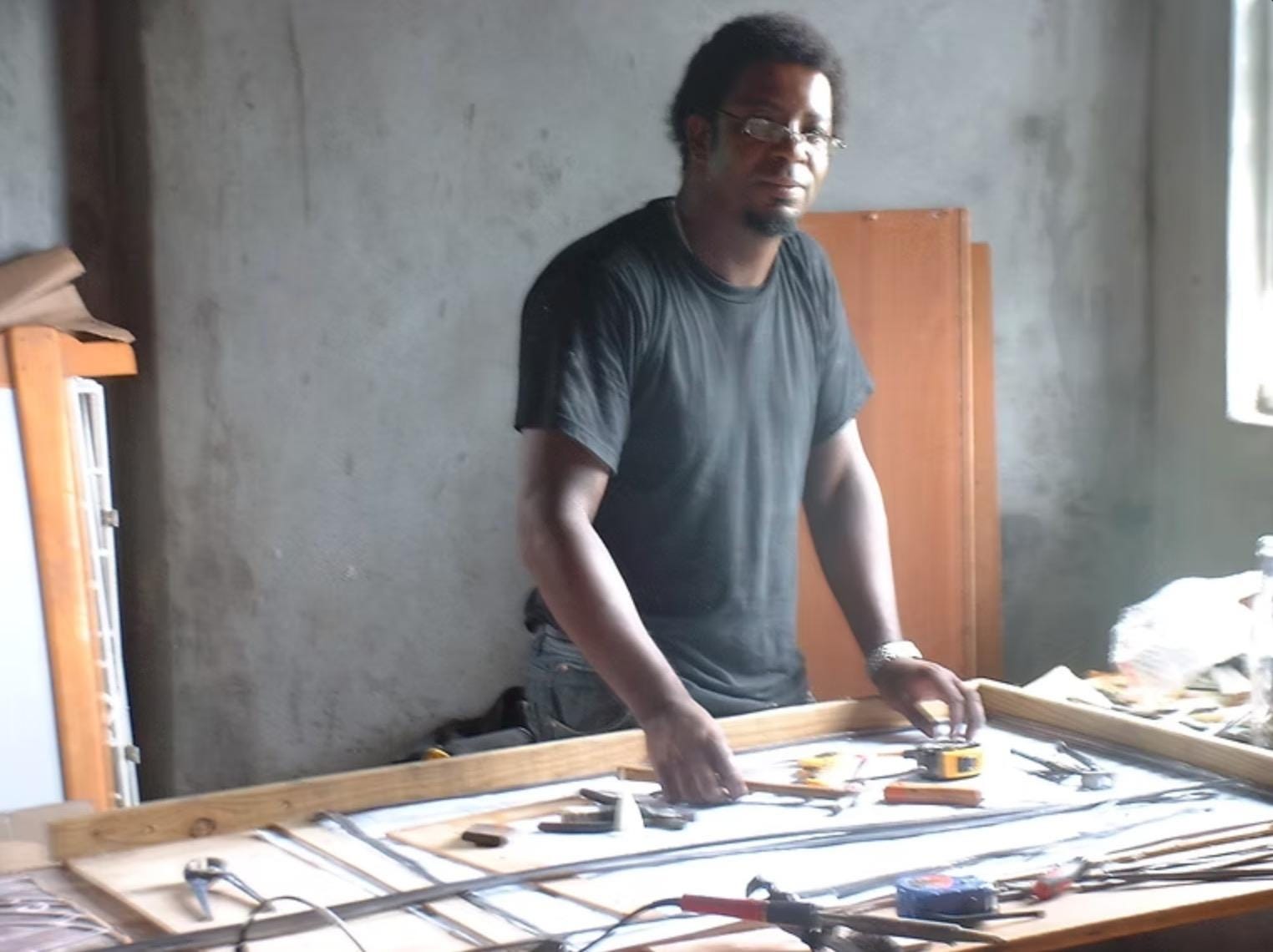
My father had a huge impact. Both my parents are painters who show and tour their work regionally, and both are academics who teach in the arts and craft space, for 25-30 years. The household discourse was always around expression, liberty, and the arts. My parents are fundamentally socialists and Marxists - their north star for success had no interest in worldly things, which meant the principles surrounding the art were uninterrupted.
How do you know what is worth keeping versus letting go?
I don’t like to let go of much - I’ve kept every sketch and drawing for close to a decade. The idea of planting seeds and having early sprouts of conversation that harvest five to six years on is how SRA has cultivated distinct works with incredible people. Nothing is thrown away, though some things are harvested in place.
Walk me through how something actually gets made - where does it start?
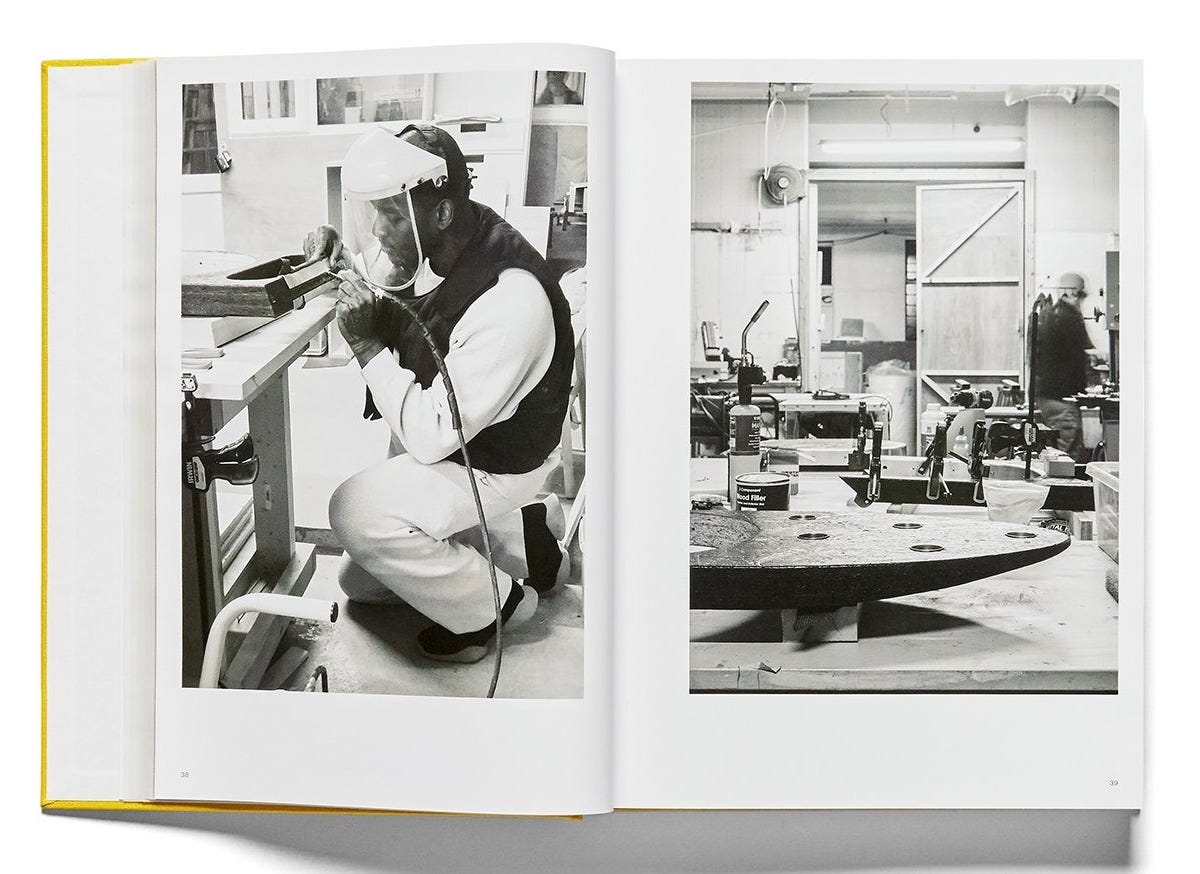
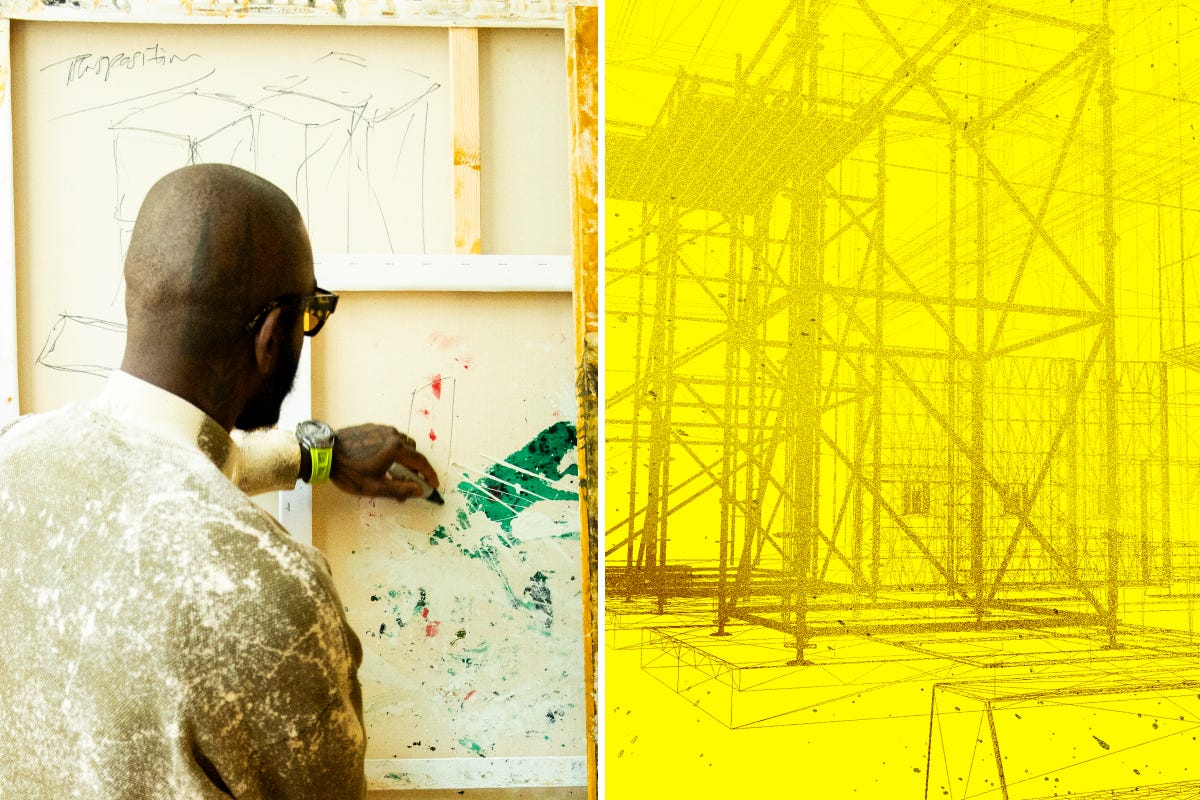
Everything starts from hand and from thought. It’s draftsmanship - drawing, sketching, lucid painting - not necessarily deeply rooted in research. Over time, shapes and forms come about from trying to create tension or contrast, pulling different influences and worlds together relevant to the manifesto of my practice. There’s a lot of walking involved - switching on and off, revisiting ideas again and again. The process can’t be rushed. There is no stop and start point; time simply runs out and the idea has to be submitted.
Watch the full Taste episode on Samuel Ross on Youtube.
Thanks for reading Own The Future™
Great to hear the depth of Samuels practice!
👑