

Shaped From Below
On chaos, concrete, and the London that has always made the future from below.


Basic.Space is a curated IRL-to-URL shopping experience for what’s new and next in design, art, and fashion. Own The Future™ is where we go deeper - the why - behind the scenes thinking, inspiration, and motivation for how and what we do.
There is a pattern running through British cultural history that is so consistent it cannot be dismissed as coincidence. Every movement that has mattered– every sound, every scene, every aesthetic that eventually made its way around the world came from somewhere it wasn’t supposed to– or at least definitely wasn’t expected to. This is not a romantic myth, but simply what happened, repeatedly, across decades, in the same city.
These movements did not come from institutions or academies or people with the resources and the connections to make things happen properly. They were birthed from below– from the chaos found at the edge, from people operating at the brink.
I love the expression “brink of possibility” especially when examined alongside chaos, and the (crucial) space it naturally creates for new ideas to emerge and develop.
Over time “chaos” has morphed to be understood as something negative. However, according to Greek mythology, Chaos was the first being to exist, and as it relates to the creation of the universe, chaos is the origin of everything. It is the impossible-to-imagine space at the beginning of time from which everything emerged. A formless space of limitless potential where nothing was yet “in order.”
In philosophy “chaos” is also talked about within the context of order and disorder.
Rather than being something incomprehensible or not yet “in order”, the formless space is what allows for disruption of existing structures to occur. Chaos creates the environment and conditions necessary for new ways of doing, and being, to make their way into existence. It is nearly impossible for new ideas or new forms of order to emerge and naturally develop in a space that has already been organized and shaped to fit a certain form. Ideas, similarly to seeds, need space to grow into their full potential.
In a conversation between Tim Marlow and one of my favorite British icons and artists Rose Wylie, they had the below to say about chaos–
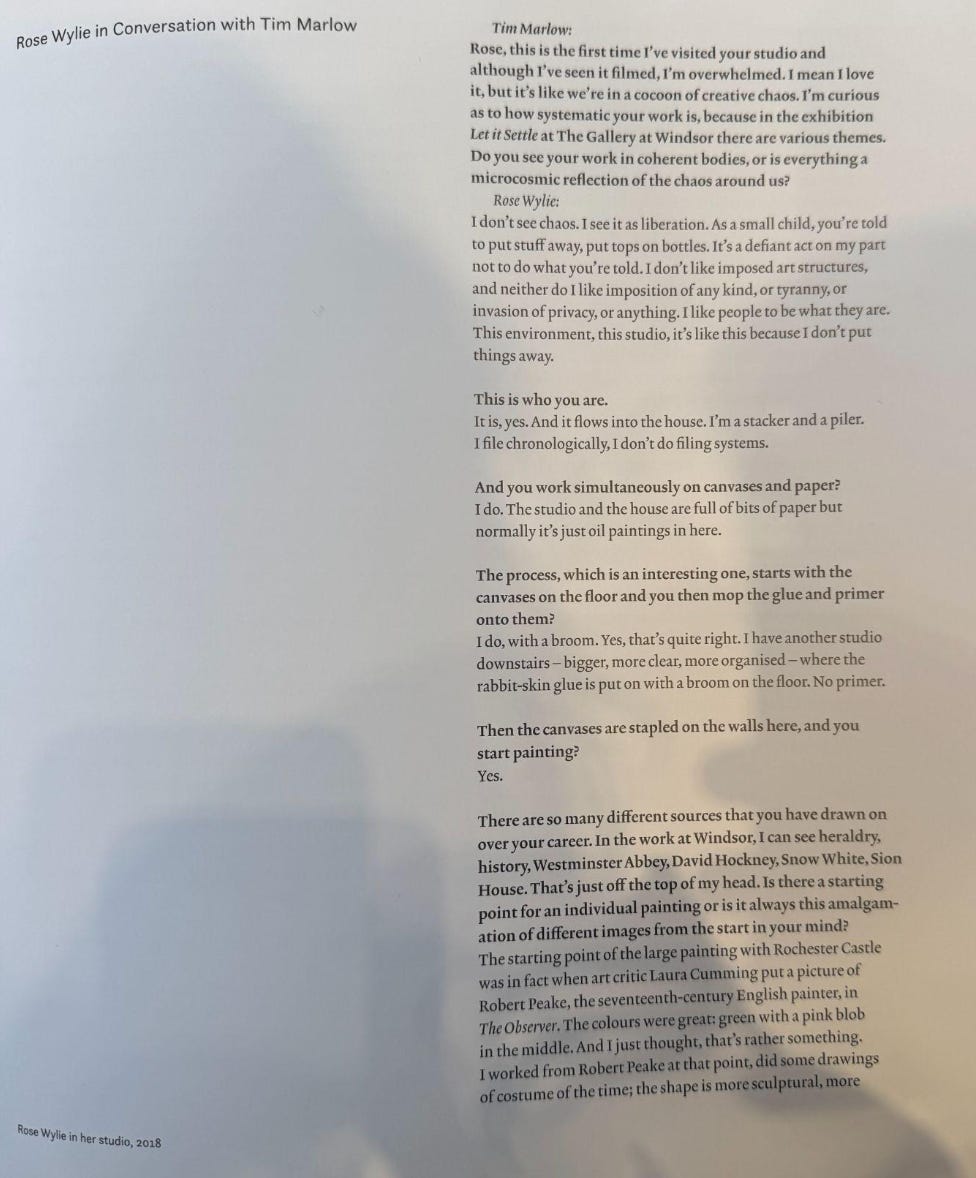
The very liberation Wylie speaks of is why I love the concept of being on the brink of possibility.
It is the high risk, high potential edge between what is currently achievable and what has been deemed impossible– where conventional reality runs out and something else is forced to begin. At the brink there is no choice but to reimagine an alternate reality and to make that next move. Whether that move leads to groundbreaking change or results in total failure is exactly the point. The brink is chaotic in the best way. It is space that represents a moment of immense potential and transformation. The most interesting things always tend to happen when you lean into uncertainty.

Enter the city of London, where Basic.Space’s next edition will be taking place.
So much of British culture was born in this liminal space between old systems and new ways of living in post-war Britain.
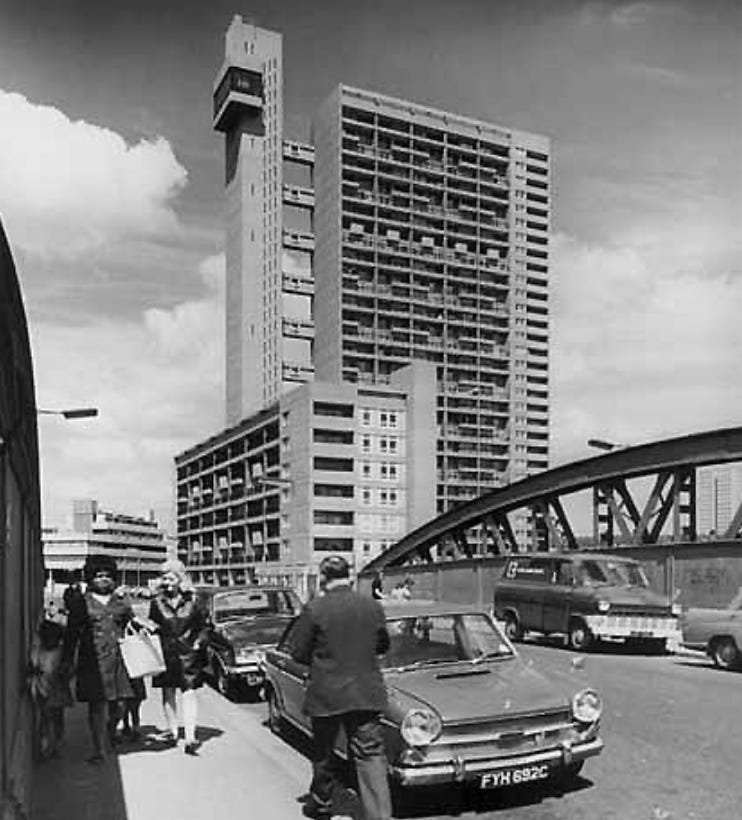
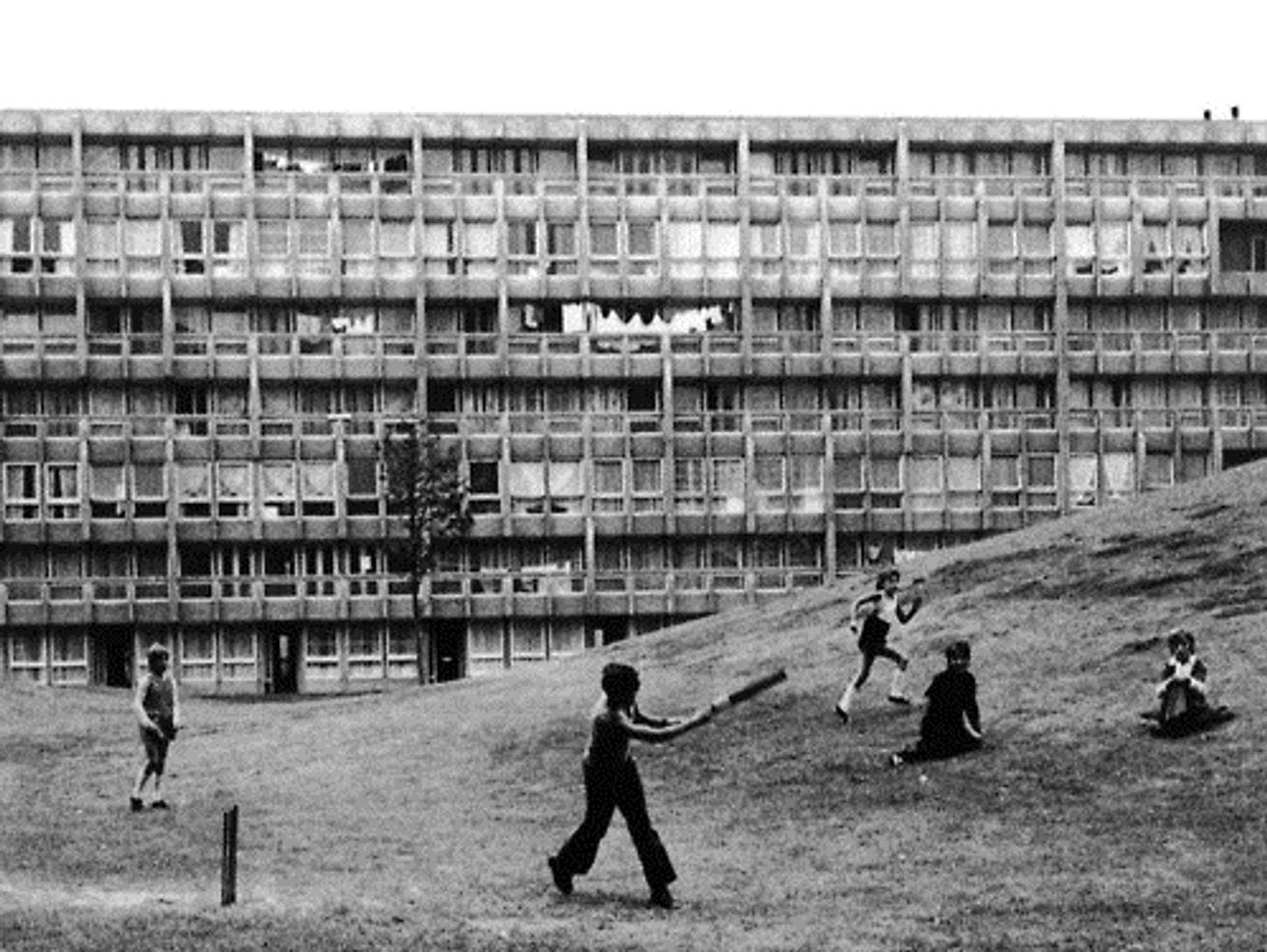
The brutalist housing estates of the sixties and seventies– Trellick Tower, Robin Hood Gardens, whole concrete neighbourhoods reaching into the London sky– were utopian propositions for the time. The architecture was idealistic in the way that only architecture can be: it was load-bearing optimism. A hopeful mindset that actively supports, sustains, and carries the weight of believing that designed environments can produce a better society. The definition of load-bearing optimism itself is structural, and the architecture of that era was structural optimism made literal. It acts as a foundation. It is both heavy and supportive. It allows you to endure risks, disappointments, and mistakes while remaining functional enough to continue looking forward. It carries the weight of the past while continuing to look toward the future.
When funding in Britain dried up, maintenance stopped and the communities inside these post-war utopias were left to get on with it. What they got on with turned out to be extraordinary…
The sounds that came out of those spaces– punk, lovers rock, jungle, grime– were not the sounds of people who had been failed. They sounded like people who had decided the official version of things was beside the point. Each scene entirely original, each born in a space the mainstream had written off, each eventually acknowledged as visionary by the same culture that had ignored it first. The concrete meant to be a utopian gift became something the architects never planned for– an autonomous creative territory where nobody was watching, nobody was in charge. It was chaotic and therefore anything was possible.
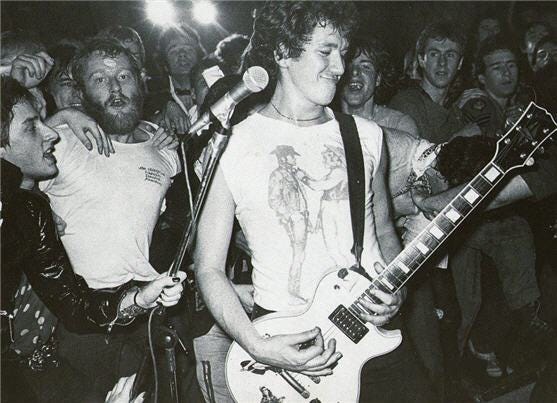
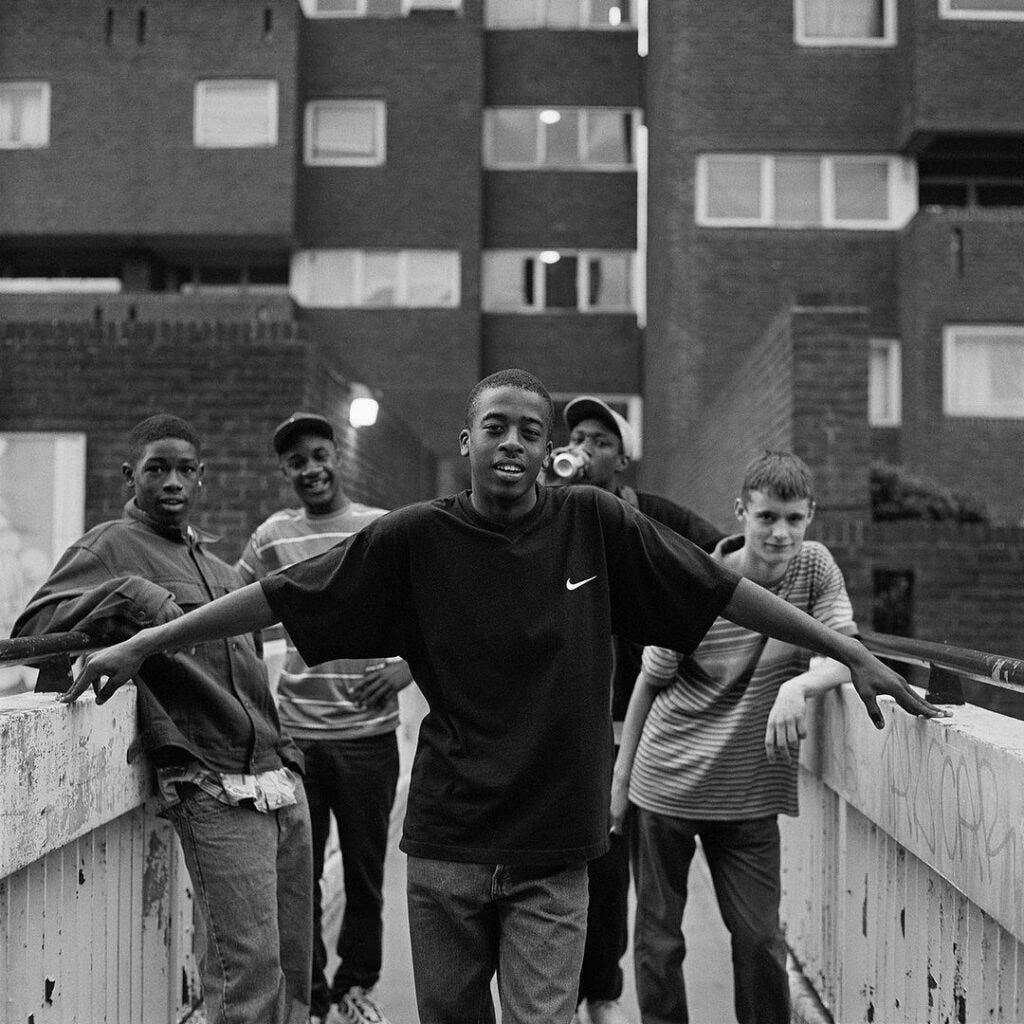
What made (and makes) the British underground genuinely singular is that all of the artists and voices and designers never stayed in their own lane. The separation that gets imposed later by institutions, academics, and retrospectives is a fiction. In the moment it was always one culture, not several running parallel.
Malcolm McLaren and Vivienne Westwood at SEX on the Kings Road were not running a boutique that also had connections to a band. The clothes and the music and the provocation were a single continuous act, inseparable from each other and from the space they inhabited. Ben Kelly’s interior for the Hacienda made the same argument in a different register— the room, sound, light and design were not separate decisions. Hacienda was not a venue that hosted culture. It was the culture that went on to inspire giants like Virgil Abloh.
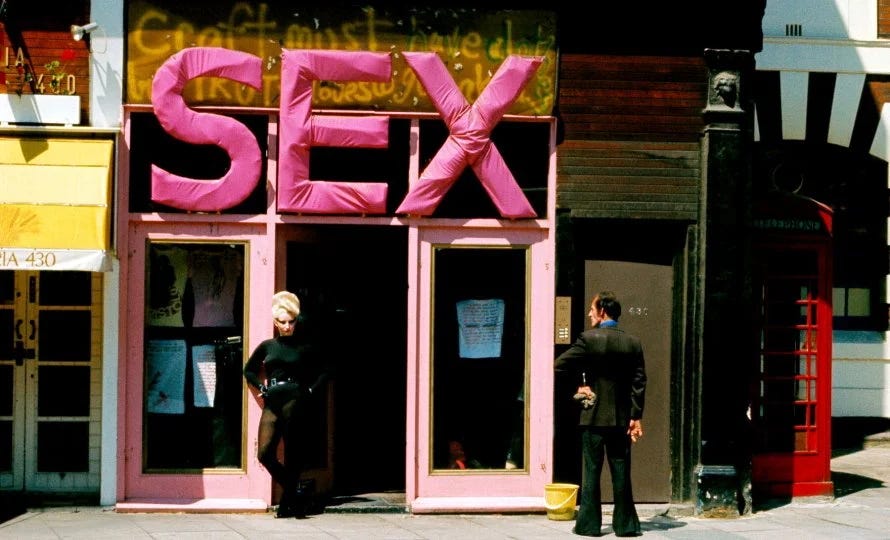
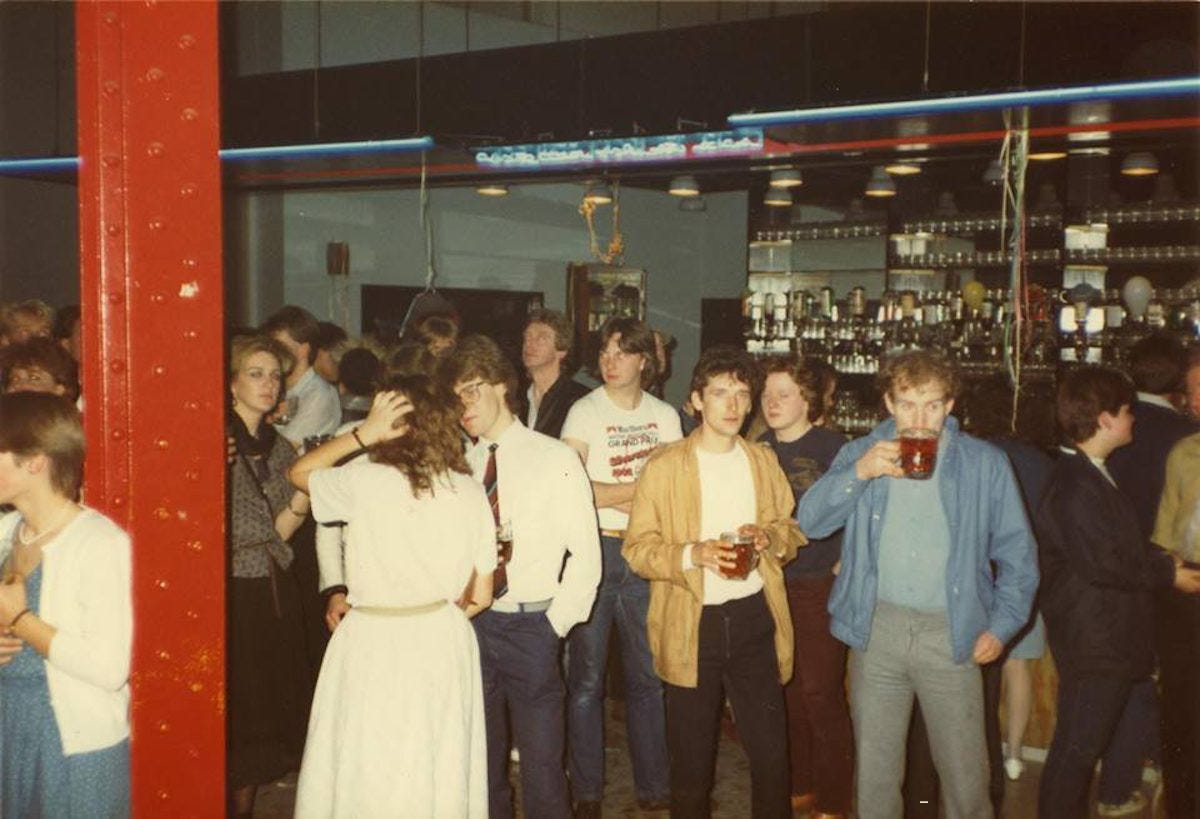
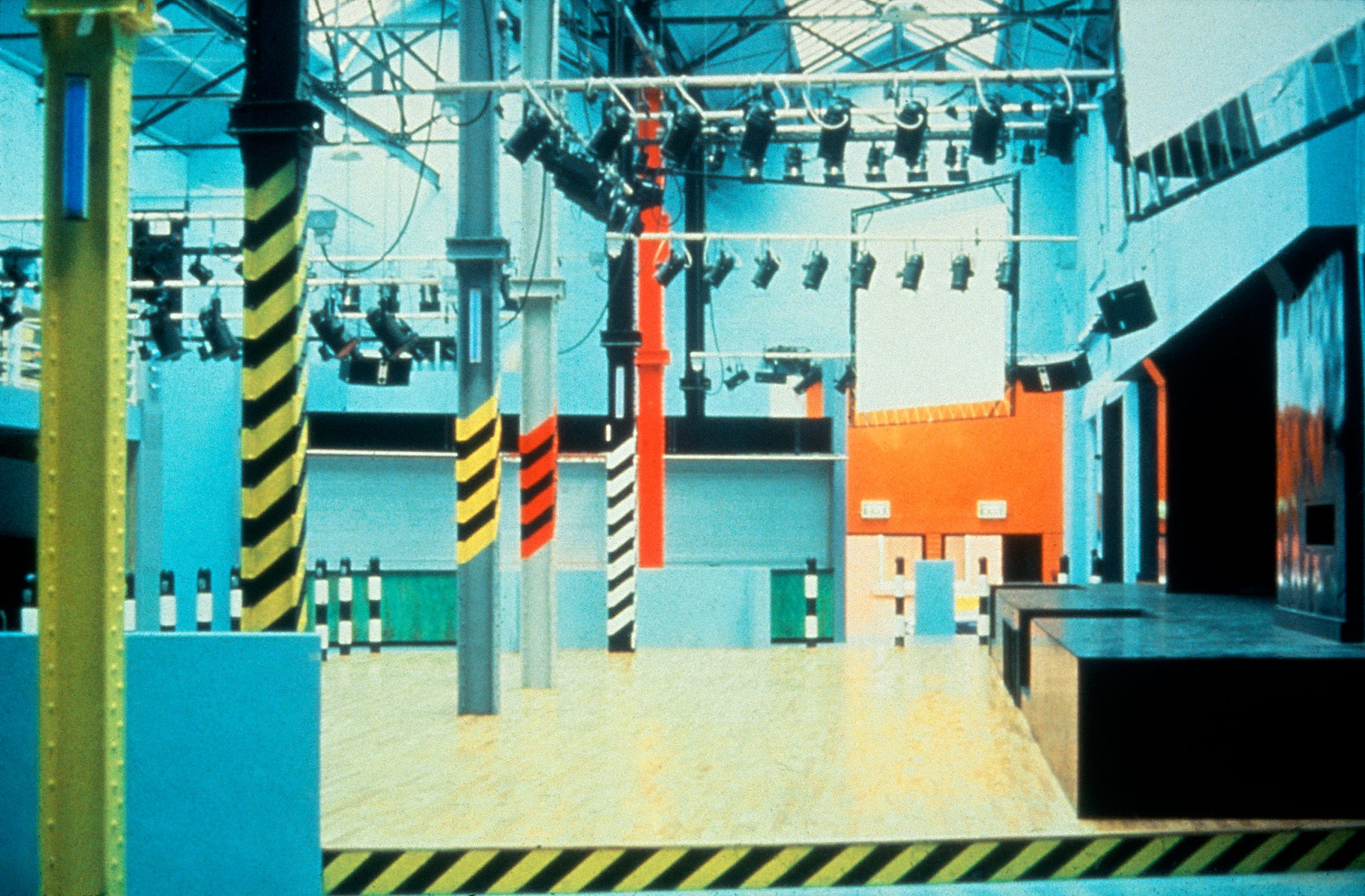
Is it a coincidence that this is what Basic.Space has been building? This emphasis on the importance of space and cross disciplinary exchange. Or is the meta-ness of this all a wink from the universe, a glimmer of what’s possible?
For our London edition, space was, as you can now imagine, one of the most important things for us to find. We knew it would become our anchor and our canvas for all the worlds and people we wanted to bring together.
Which brings us to the Old Selfridges Hotel. Brutalist in the truest sense– concrete, deliberate, carrying the same load-bearing optimism as the housing estates built in the same era. It sits in an interesting relationship with the institution that is Selfridges, one of the great temples of commerce and aspiration, right beside it.
Basic.Space London takes up residence at the Old Selfridges Hotel not as a nostalgic gesture toward Hacienda or the warehouse parties or any specific golden era (though that was certainly a huge inspiration) but as a continuation of the same impulse that produced them all. The impulse that says the most interesting things happen in the collision between disciplines, in a room where nobody has told you what you’re supposed to be doing.
Basic.Space London is a living archive of what British creativity actually looks like when it is allowed to be itself: cross-disciplinary, uncontained, shaped from below. Curators, artists, designers and makers from across the UK, brought together not as representatives of their separate fields but as participants in a culture that has never really recognised those separations anyway.
The chaos— the productive, generative, Rose Wylie kind— is our raison d’être. The brink of possibility is where we are operating. This is the space where conventions get challenged, where the future is not yet fixed, where one step forward could change everything.
When we look at the now, many of these spaces have been lost. Fabric nearly shut in 2016, Robin Hood Gardens was demolished. Physical infrastructure continues to disappear as the creative class gets priced out. The age of social media promised more connection but we are more disconnected from ourselves and each other than ever.
Many of today’s crises are underpinned by the belief that we are separate, a hyperindividualism that implies that we hold no responsibility for one another. Underground movements challenge this idea. They naturally foster connection, belonging, and collective agency. What begins below the surface does not remain there. As the expression goes, a rising tide raises all ships.
Music, design, and subcultures extend far beyond aesthetics, reflecting and reshaping wider systems of power, value, and resistance. Long a testing ground for sound, style, and dissent, the underground is, by nature, grassroots: collective, self-organised, and rooted in community.
In a world where loneliness has been declared an epidemic, where third spaces have been in steady decline, physical space is more important than ever. It is not just architectural– it is psychological, cultural, political. It is the distance between what exists and what is possible.
The conditions that created these extraordinary movements still exist– economic pressure, outsider energy, the impulse to make something from nothing. The digital never replaces the physical. But it can support and extend it by widening its reach, and carving out that crucial space. While physical structure has been lost, we have not lost the energy needed. The chaos, the collision, the right people at the right time in the right room– is exactly why it is worth building back. It is exactly why Basic.Space aims to continue extending its reach and creating these spaces empowering our collaborators to Own The Future™.
Basic.Space London will take place 12-14 June at the Old Selfridges Hotel.
 | A guest post by
|
🙌🏼