

Designed For Listening
Friendly Pressure’s Shivas Howard Brown on why high fidelity is a discipline, not a product category.

At ten, Shivas Howard Brown spent his birthday money on a Panasonic boom box with a CD player. He’s leveled up since then – Brown’s London studio, Friendly Pressure, makes bespoke loudspeakers that draw from the horn and compression-driver lineages of Tannoy, JBL, Altec, and Klipsch, reengineered from first principles for people who truly want to listen.
Every recording holds more information than almost any system will ever play back. Most consumer audio is built around that gap – Bluetooth, DSP, compression, all working to fake what got lost, to make a small driver in a small box sound bigger than it is. High fidelity works from the opposite logic. Every component in the chain – source, cartridge, phono stage, amplifier, crossover, driver, cabinet – is chosen to add nothing and remove nothing. You hear the room where it was made, not the room where you're sitting. Paul W. Klipsch put it plainly: "The better the speaker, the worse it sounds, until other sources of distortion and inaccuracy have been eliminated." A great speaker doesn't flatter its environment; it reveals it. The speaker isn't the instrument; the room is.
We caught up with Brown about how he got here and where he’s heading next.
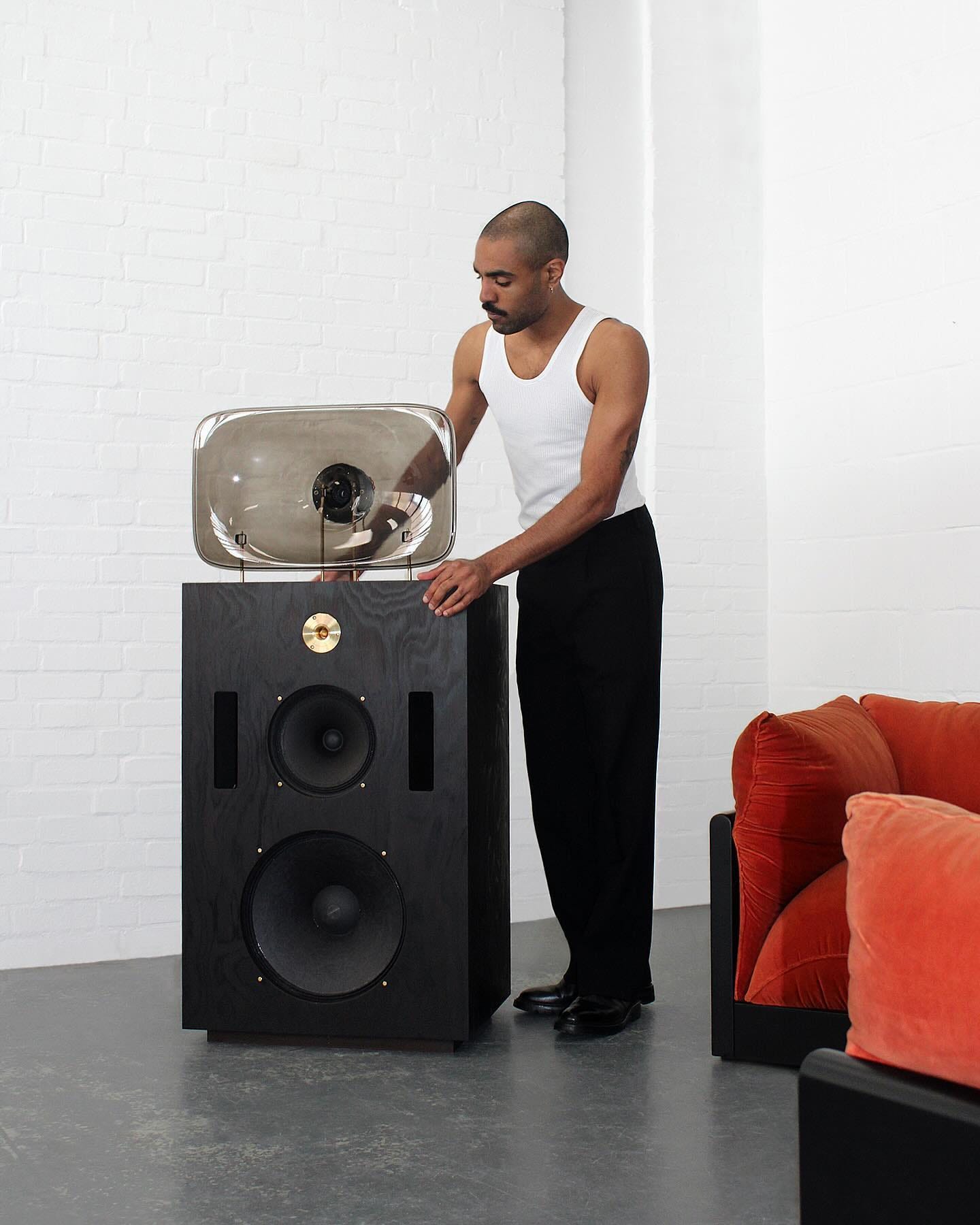
When did you realize you wanted to do this full time? What led you to start Friendly Pressure?
I’d wanted to build my own speaker since around 2018, but there was a lot of applied research to do before I knew if it was something I could attempt myself, before bringing a team together around what I wanted to build. My first prototype came in late 2021. At that point I knew I’d done something that had legs.
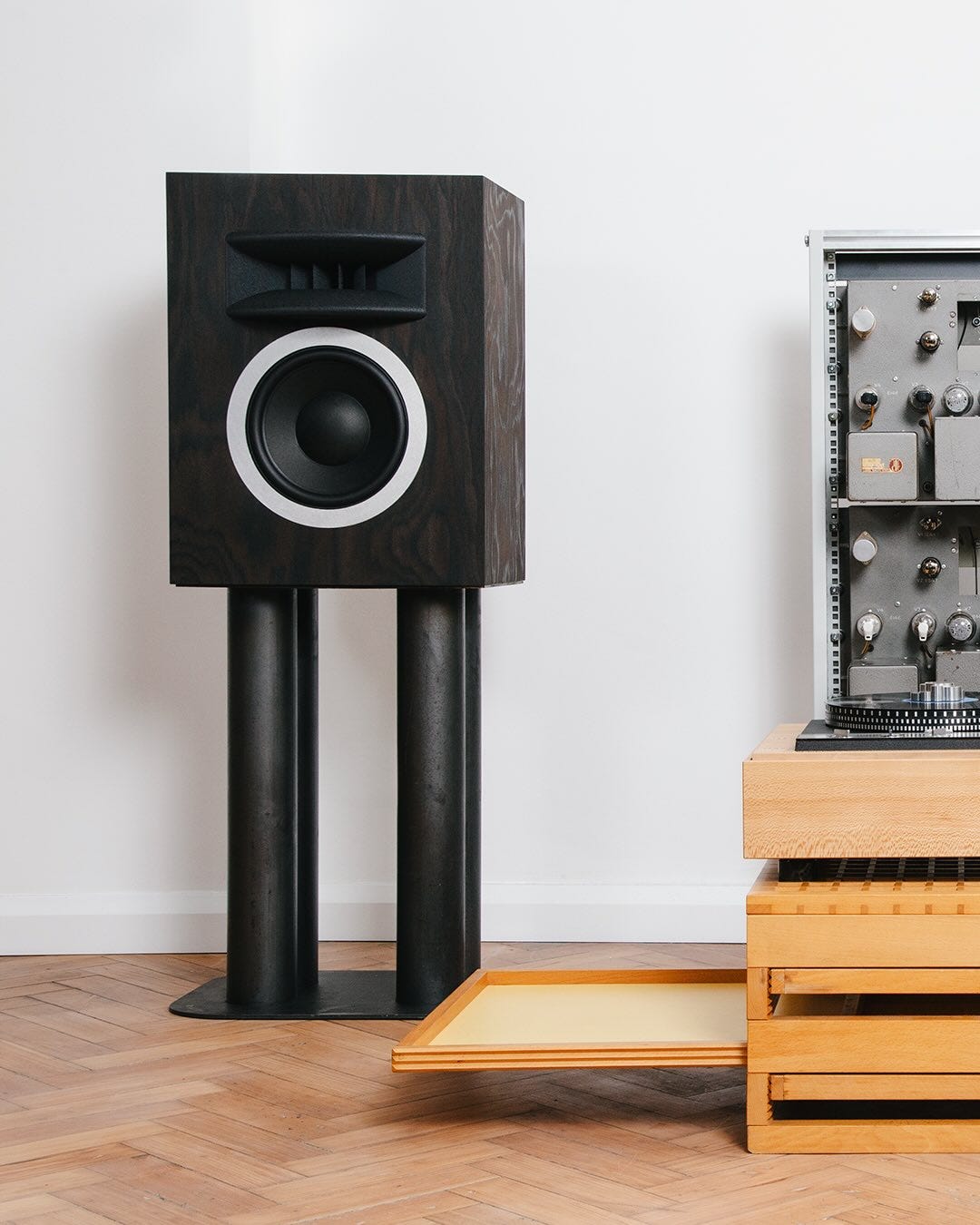
What are the technical and experiential differences between a more traditional consumer audio system and a dedicated hi-fi setup?
A traditional consumer audio system suggests that the typical consumer listens to low-resolution audio in mono through a Bluetooth connection with DSP - digital signal processing - which creates most of the experiential tonality by filling in the gaps of what’s not there. A dedicated hi-fi setup is designed to communicate and translate every single detail held in a preferably analogue source signal.
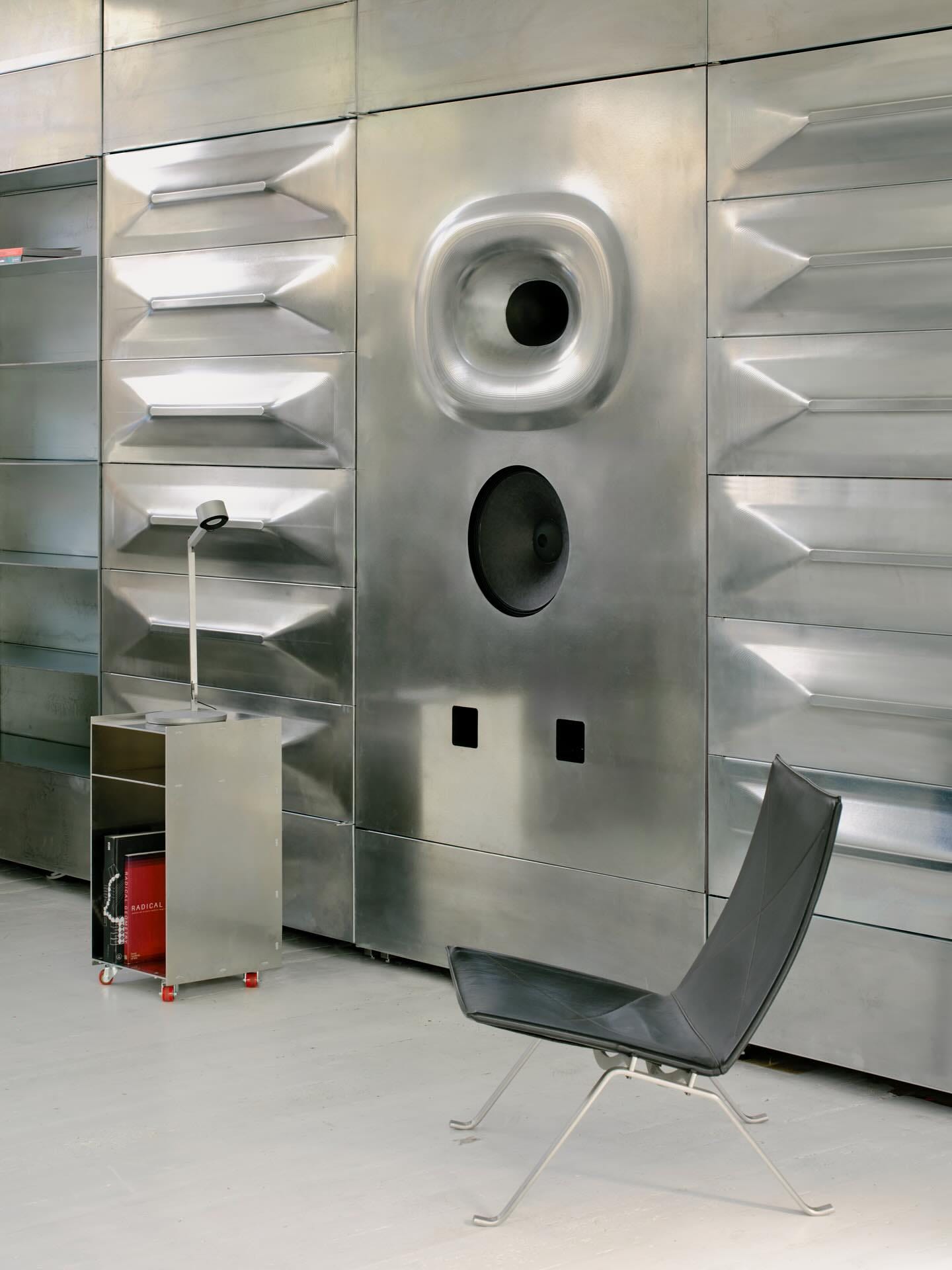
Is there a listening room you consider the standard? What makes it right?
Anyone that works with audio on a daily basis will have their reference system - this is the “control” you would need in a science experiment to test a hypothesis against. If that person knows exactly how one of their reference tracks sounds on that system in its usual position in a space, they should be able to hear the difference in the cables used in that signal chain. In short, the standard is subjective to that practitioner.
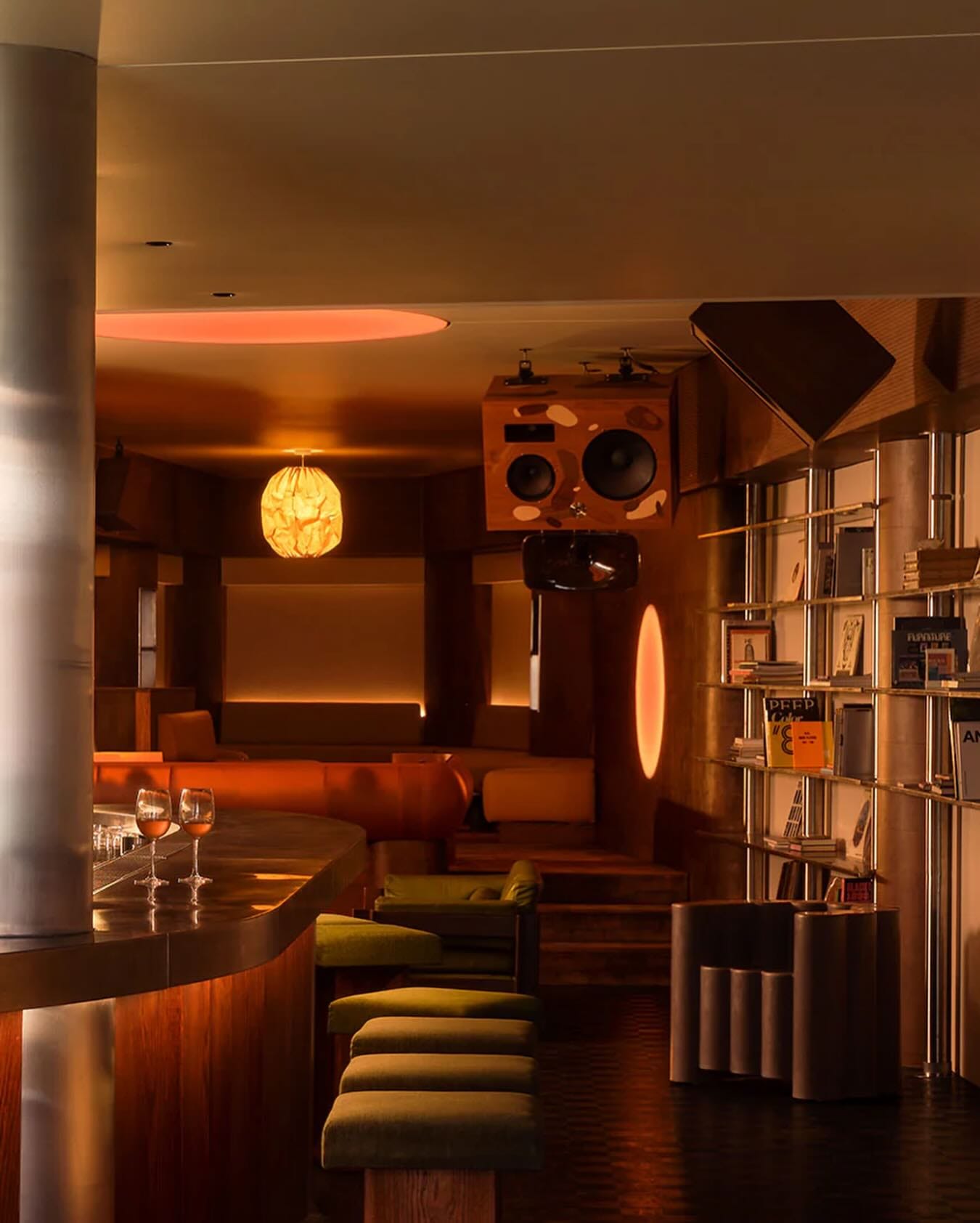
What’s the commission you’re most proud of?
Stone Island. From a materiality and design perspective it feels like the most collaborative project we’ve been able to activate - with a team that feels like a family, just like ours.
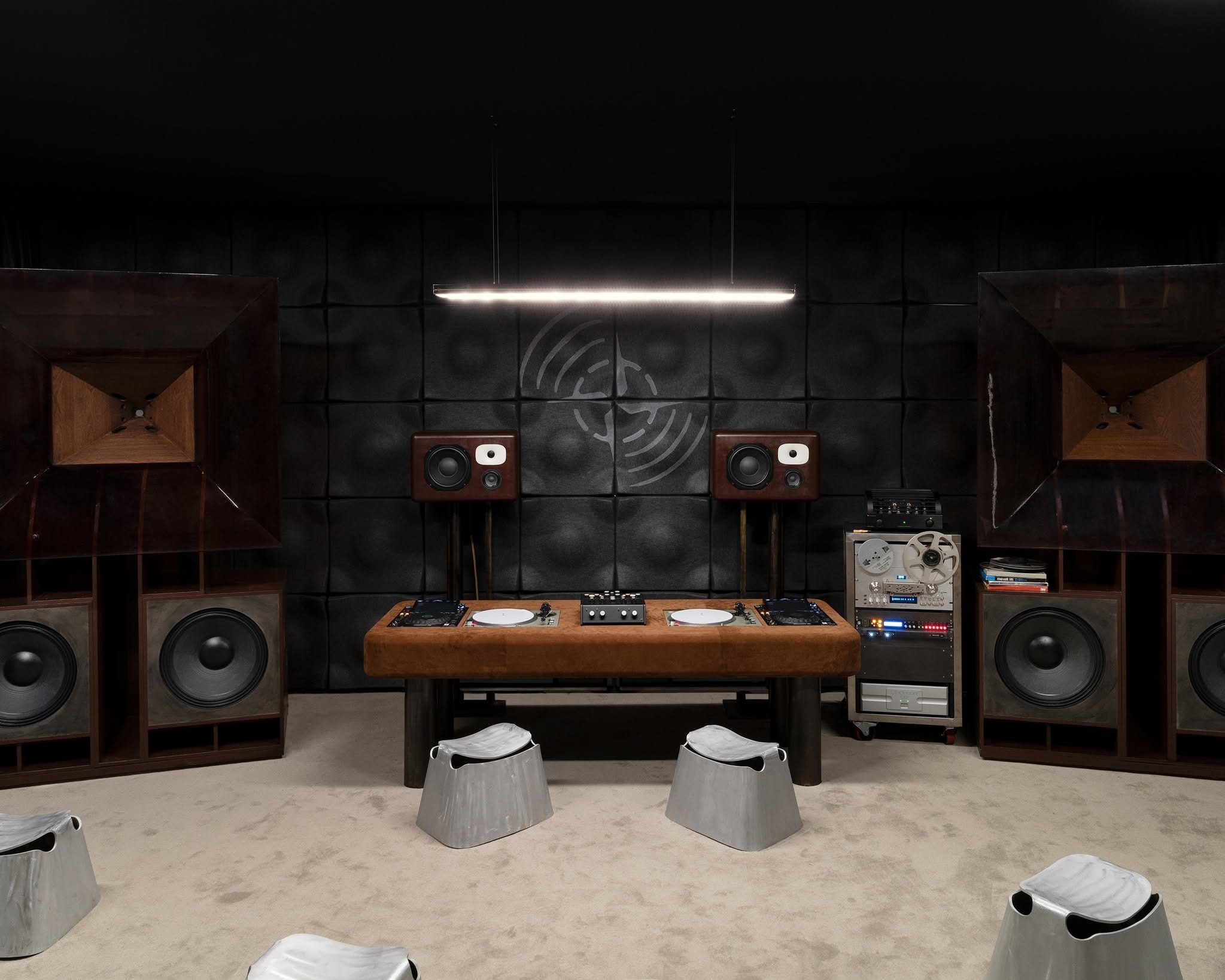
What do you want to create, curate, or collect that you haven’t yet?
More fine art and sculpture.
Where do you tend to find inspiration, and what’s inspiring you lately?
Ninety percent of what I’ve made to date references the most iconic systems I’ve seen or heard. Most of these are the classic heritage systems from the legacy brands. That’s where the language comes from.
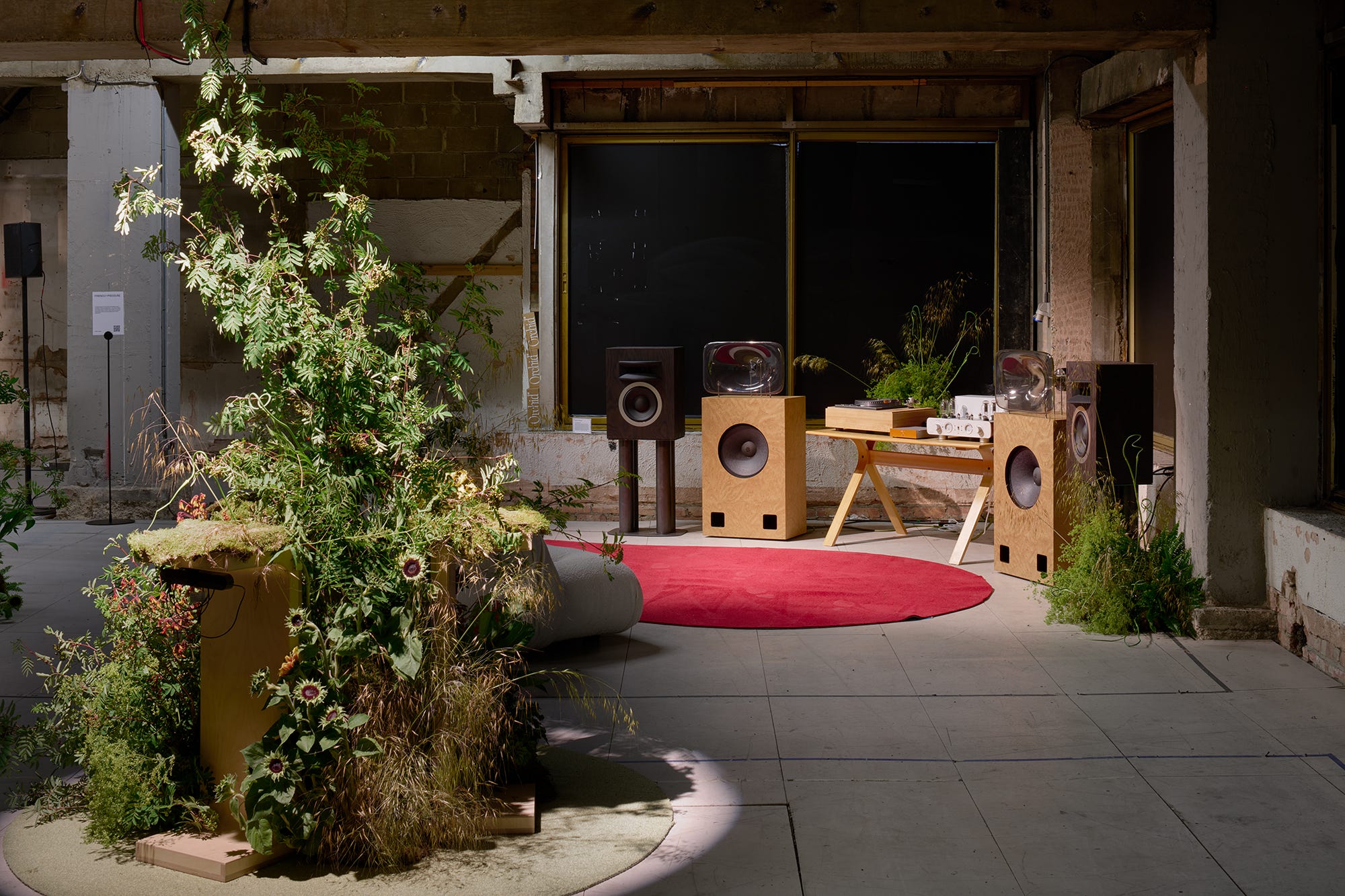
Hi-fi has become a design language, and Friendly Pressure is one of its most compelling new voices. At Basic.Space London, Friendly Pressure partnered with Kevin Parker's Telepathic Instruments to build a listening room from the speakers outward.
Thanks for reading Own The Future™