

Botanical Maximalism
Inside Serpentine LA, the comedian-turned-collector is transforming rare plants, vintage vessels, and monumental design into immersive living sculpture.

Basic.Space is a curated IRL-to-URL shopping experience for what’s new and next in design, art, and fashion. Own The Future™ is where we go deeper - the why - behind the scenes thinking, inspiration, and motivation for how and what we do.
Writer, comedian, director, and winemaker Eric Wareheim has traded Hollywood green rooms for greenhouses. These days, he’s more likely to spend an afternoon hunting down a rare Torrey Pine, visiting an aloe grower in Orange County, or wandering a marble yard than at an industry function.
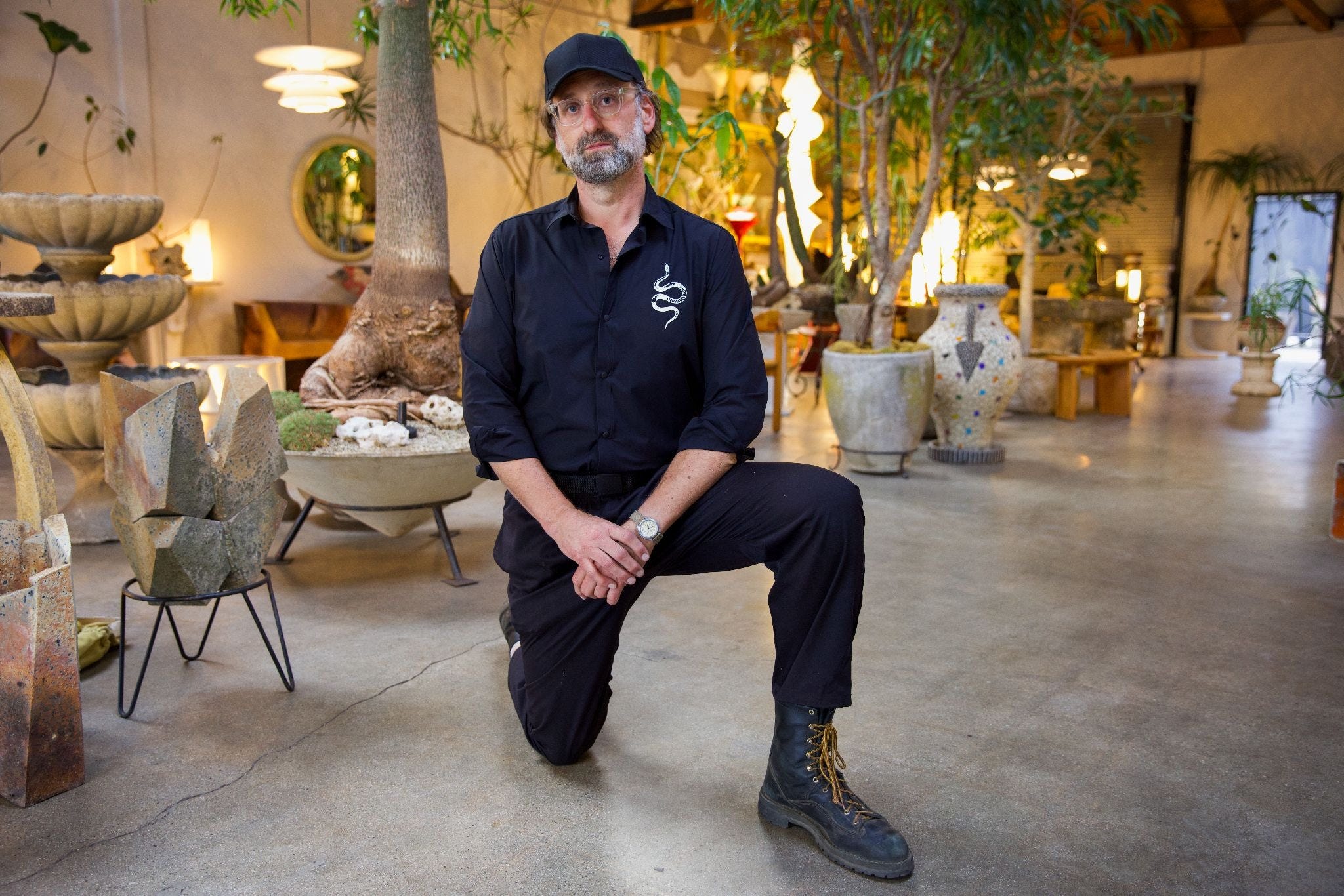
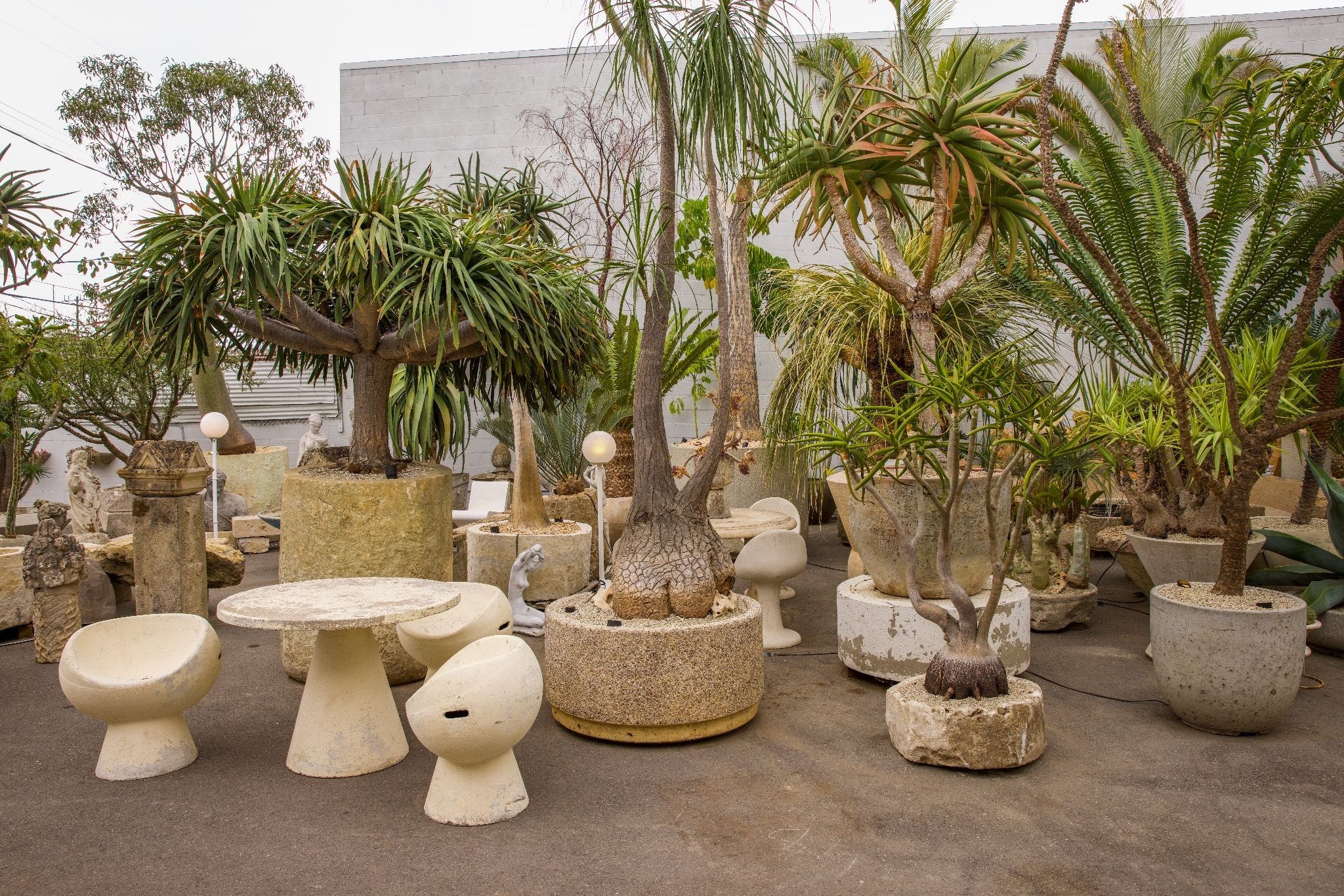
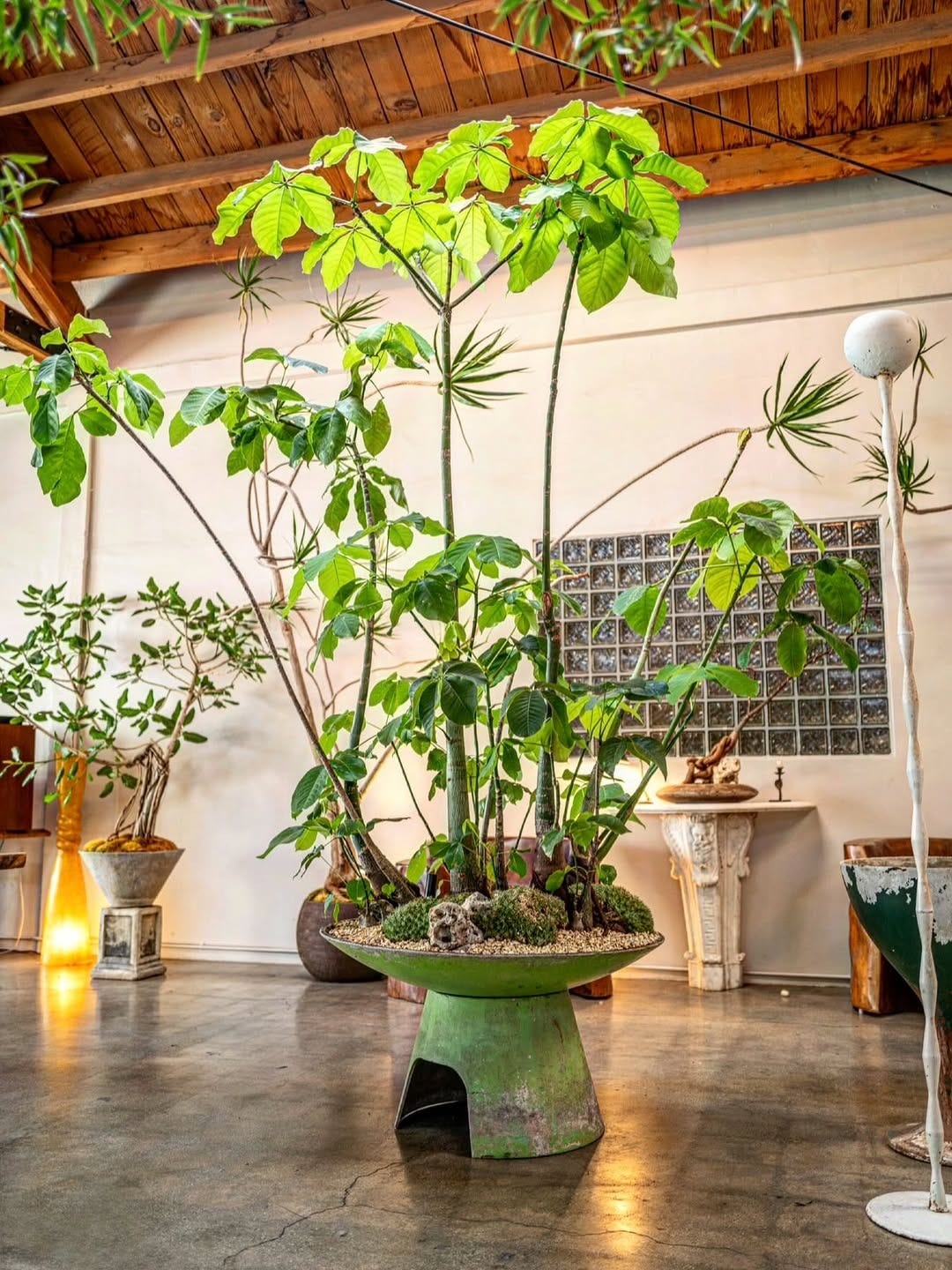
At Serpentine - his sprawling plant design studio and immersive creative space in Boyle Heights - Wareheim has built a world where monumental plants, vintage concrete vessels, and sculptural furniture collide. What began as a longtime fascination with bonsai, mid-century design, and collecting has evolved into a fully realized design language rooted in scale, texture, and atmosphere.
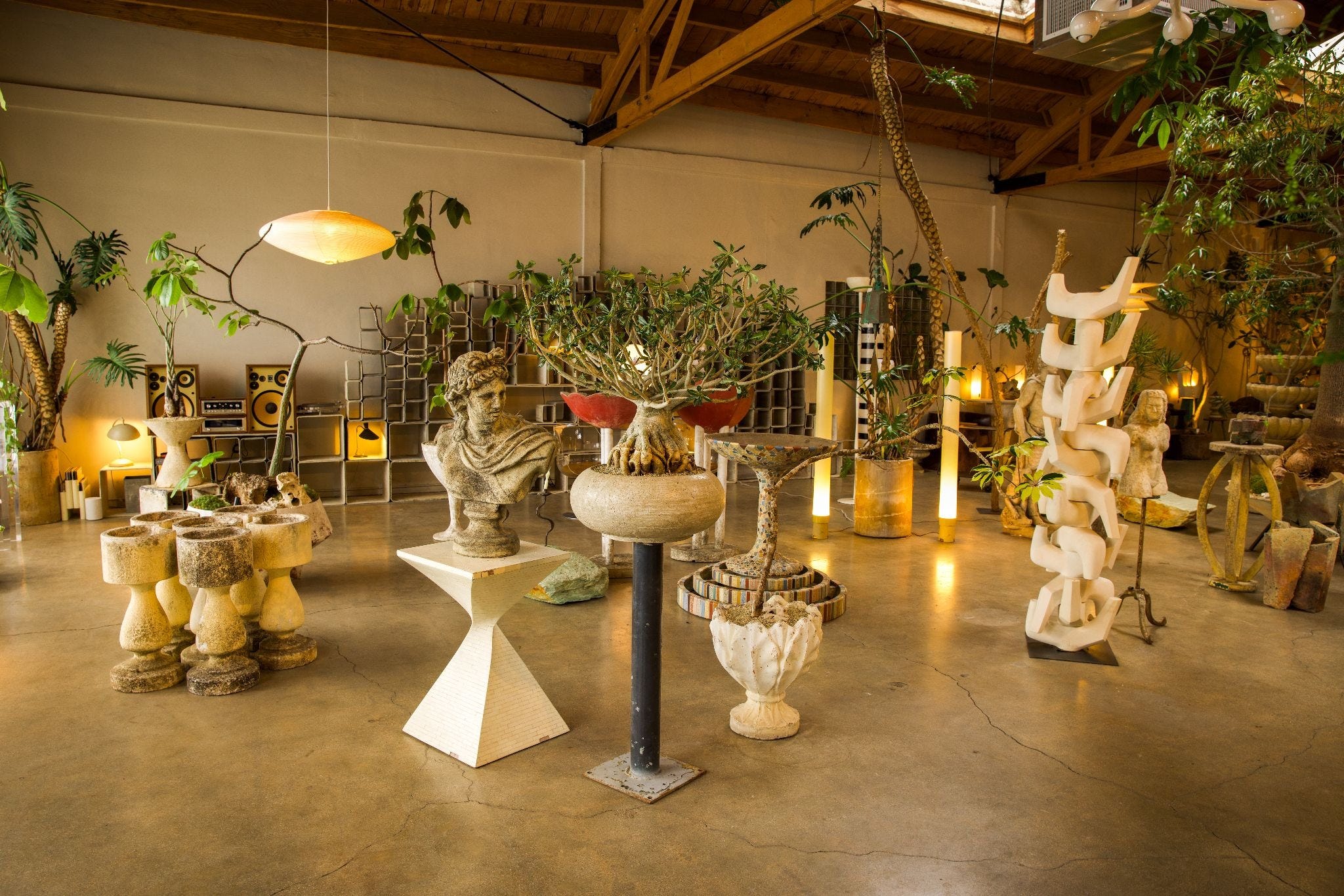
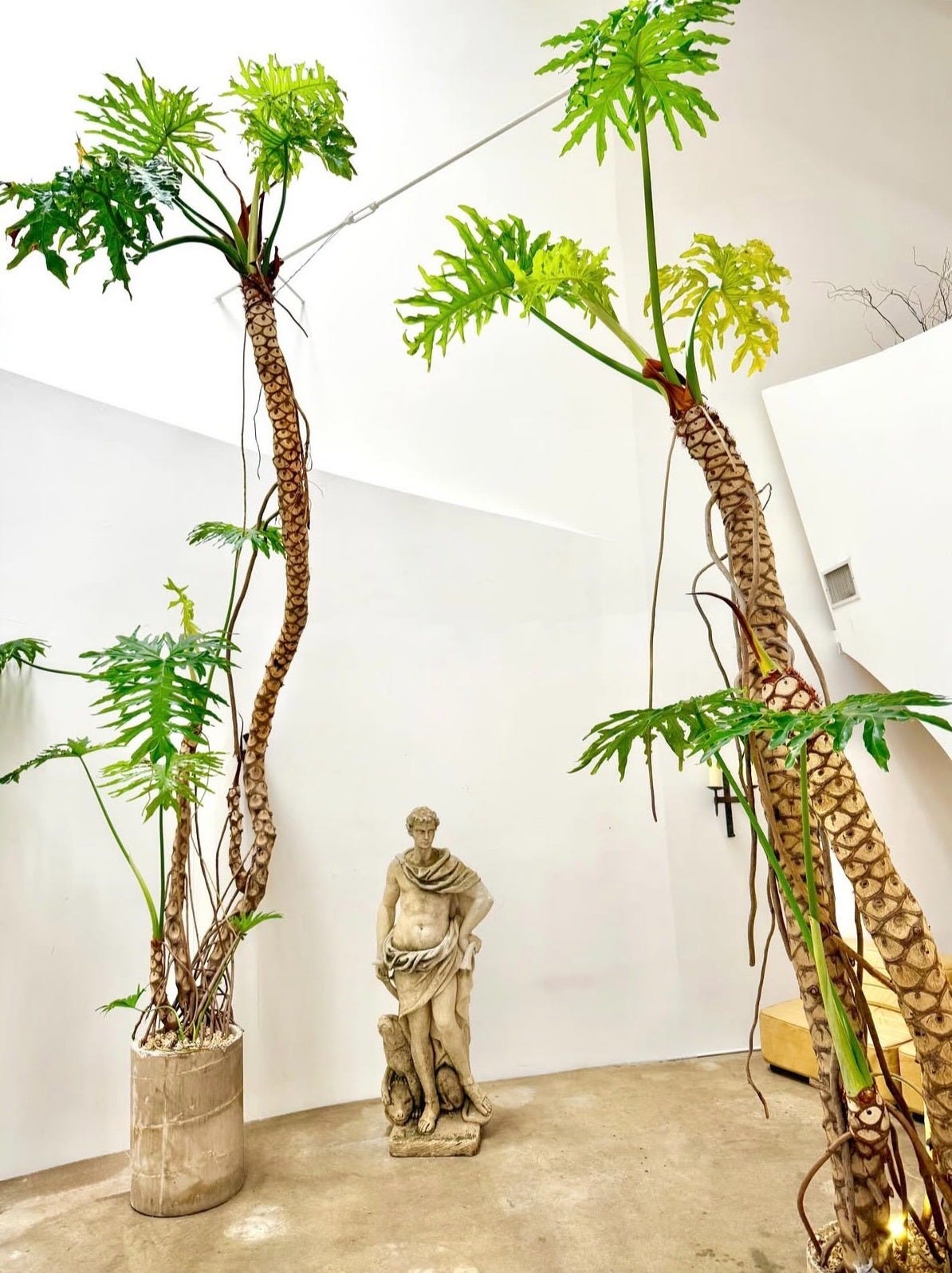
Step into Serpentine and it’s obvious that Wareheim treats plants as far more than decoration. Here, oversized philodendrons tower overhead, gnarled bonsai roots resemble sculpture, weathered Willy Guhl planters sit beside rare cycads and Australian bottle trees. The setting feels less like a nursery, more like a cinematic environment – one where plants shape space as much as architecture or furniture do.
You’ve said you’re someone who can’t dip a toe into anything. Walk us through the path from directing into plants and design.
I came up directing, then got deeply into food and wine with Las Jaras. Plants were always in the background - my mom’s a master gardener, and I’d been studying bonsai in Japan for years - but it didn’t fully click until I placed a large specimen into a vessel that felt intentional and sculptural. After that, this became the only thing I wanted to do.
Serpentine exists because of how it makes people feel. You can see it as old concrete and silly plants, or you can see it as art. I choose art.
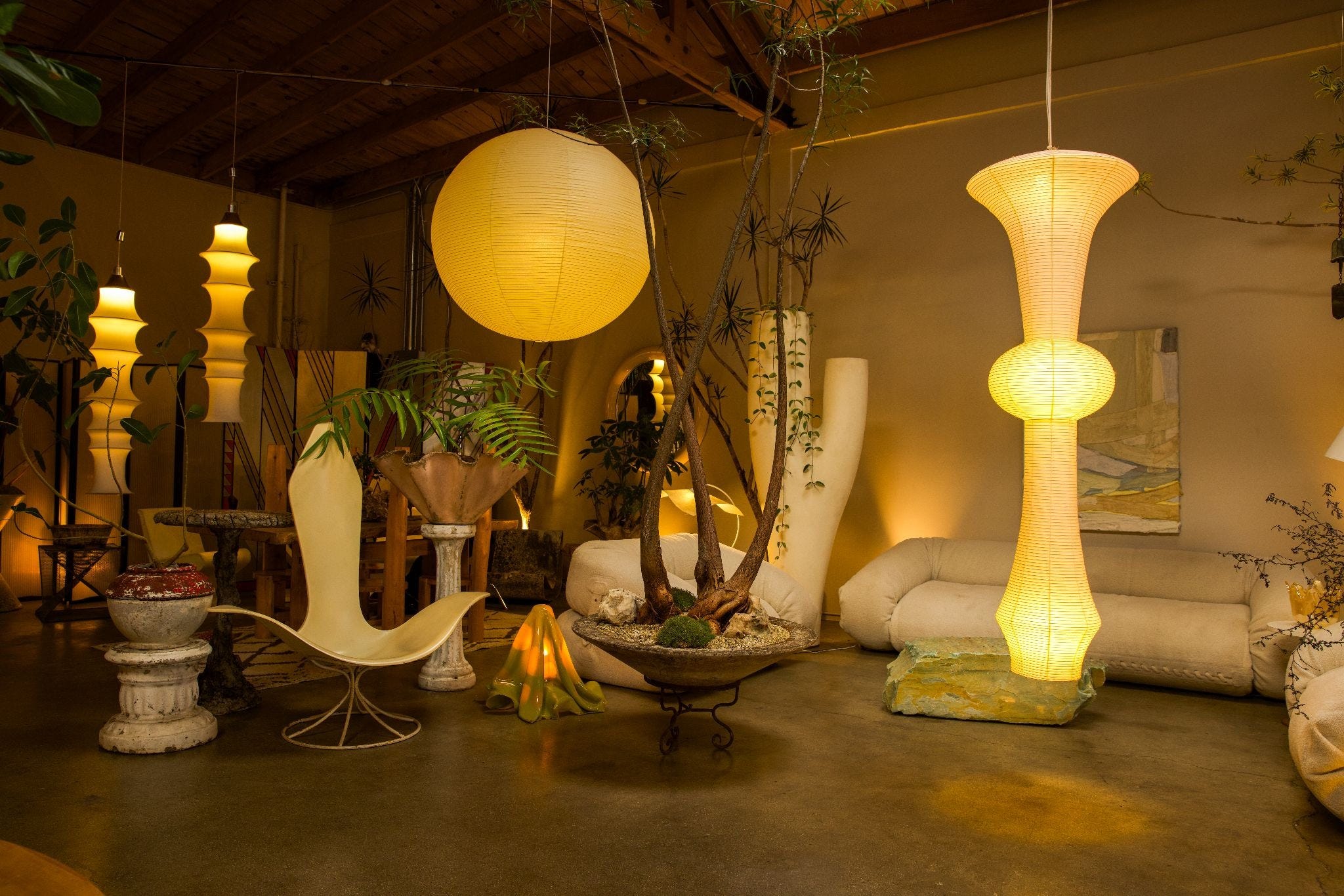
There’s a specific aesthetic running through everything here. Where does the curatorial vision come from?
It started with film. I was obsessed with Kubrick growing up - especially A Clockwork Orange. His production design was unbelievable. The Kubrick exhibition at LACMA completely changed how I thought about visual worlds because it felt less like cinema and more like an art installation.
A lot of the vessels here reference that era. Like fashion, good design always comes back around. I love music from the ’60s and ’70s, so it makes sense that I’m drawn to collecting pieces from that period and pairing them with these wild plants.
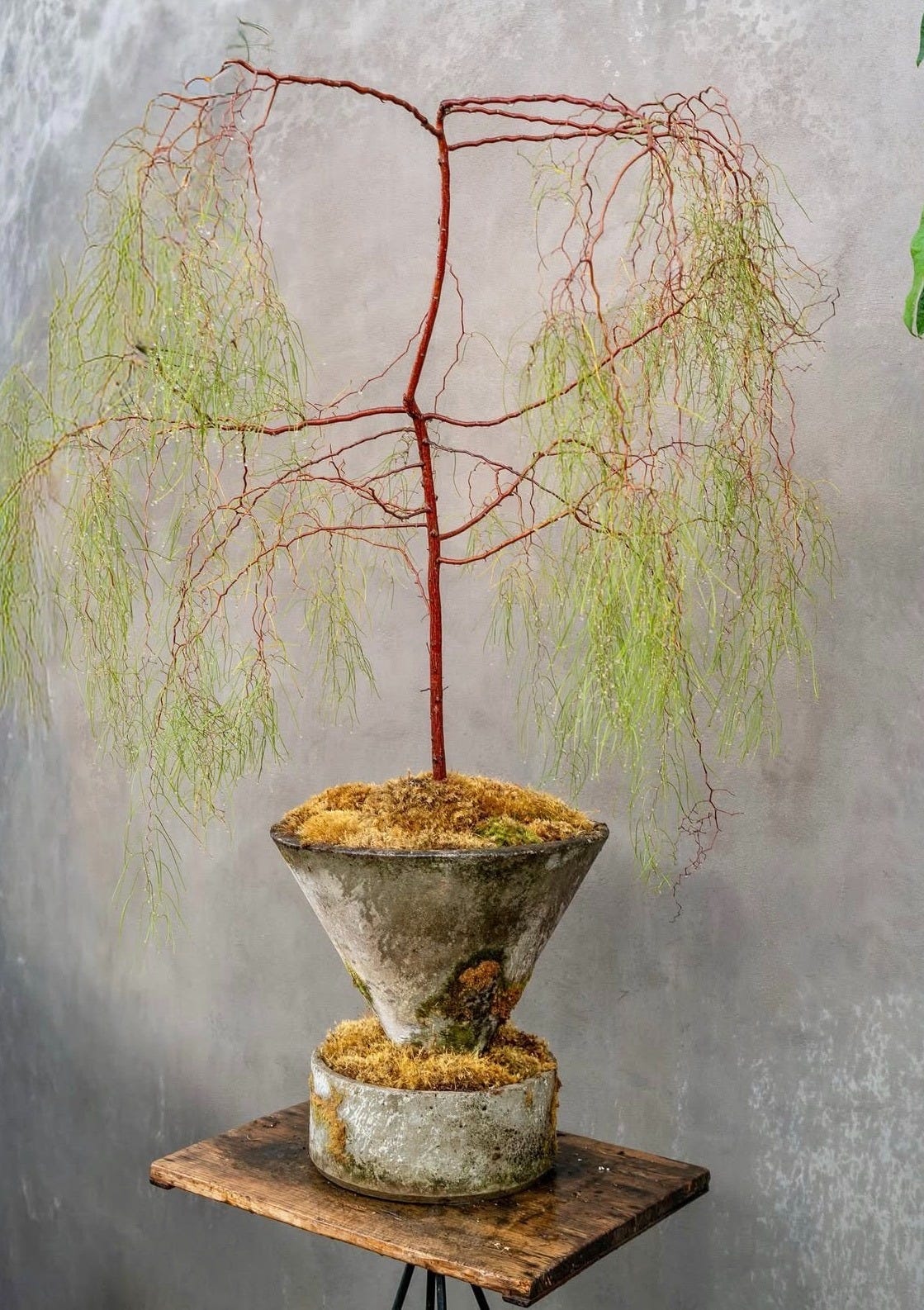
A lot of this comes back to scale. How do you find plants, and what was the one that started this?
The philodendron. In Los Angeles it grows everywhere, so most people stop seeing it. But if you present it monumentally, it becomes something completely different.
The entire project is really about scale play. I’m tall, so I rarely get to look up at things. Here, especially in the Oasis, the plants tower over you. They stop feeling like houseplants and start feeling cinematic.
How do you decide when to pass on something?
I honestly don’t pass very often - I definitely have a shopping addiction. But running this as a business means sourcing things responsibly and pricing them fairly.
I wanted Serpentine to feel like the shop I wished existed when I was starting out: approachable, helpful, and genuinely excited about the plants. We’ll plant something for you, check in afterward, help you keep it alive. That kind of care matters.
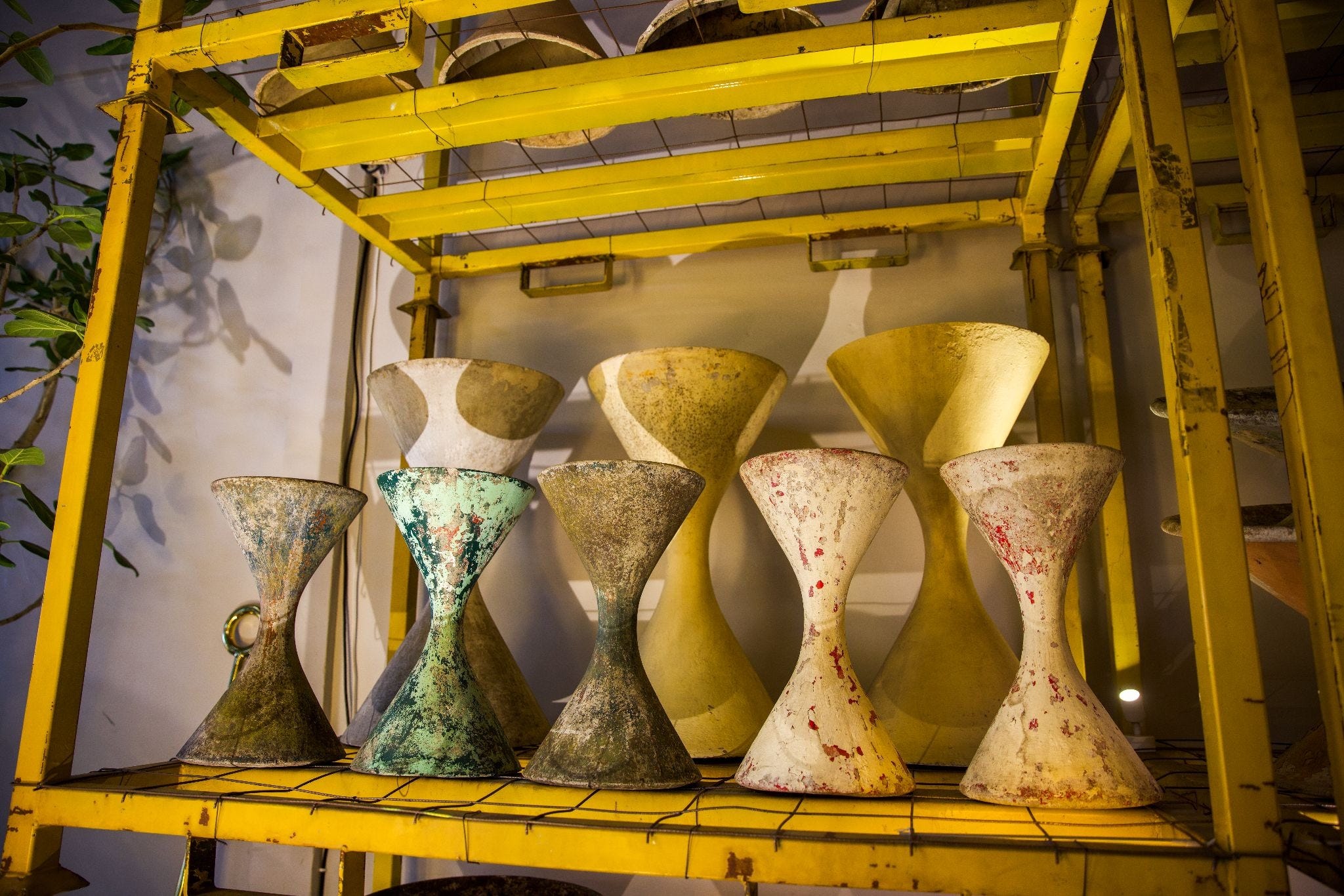
You have what’s likely the largest Willy Guhl collection in the country. Tell us how it came together.
It hit me like a storm. I started with a few pieces, and suddenly I was completely obsessed.
The Willy Guhl pieces I love most are the painted ones that have aged naturally over decades. The patina, the moss, the weathering - they evolve almost like plants do. That relationship between decay and beauty is a huge part of what I’m drawn to.
A lot of people buy plants; few people design with them. What separates those two things?
My mom has a beautiful catnip garden - it serves a purpose, and it makes her happy. What I’m doing here is something different.
This art form is ancient. Bonsai alone has existed for over a thousand years. Sometimes people see exposed roots and think the plant is being harmed, but the opposite is true. You’re not hurting it. You’re accentuating its most interesting parts.
How did the idea of pairing events with a plant and design space come about?
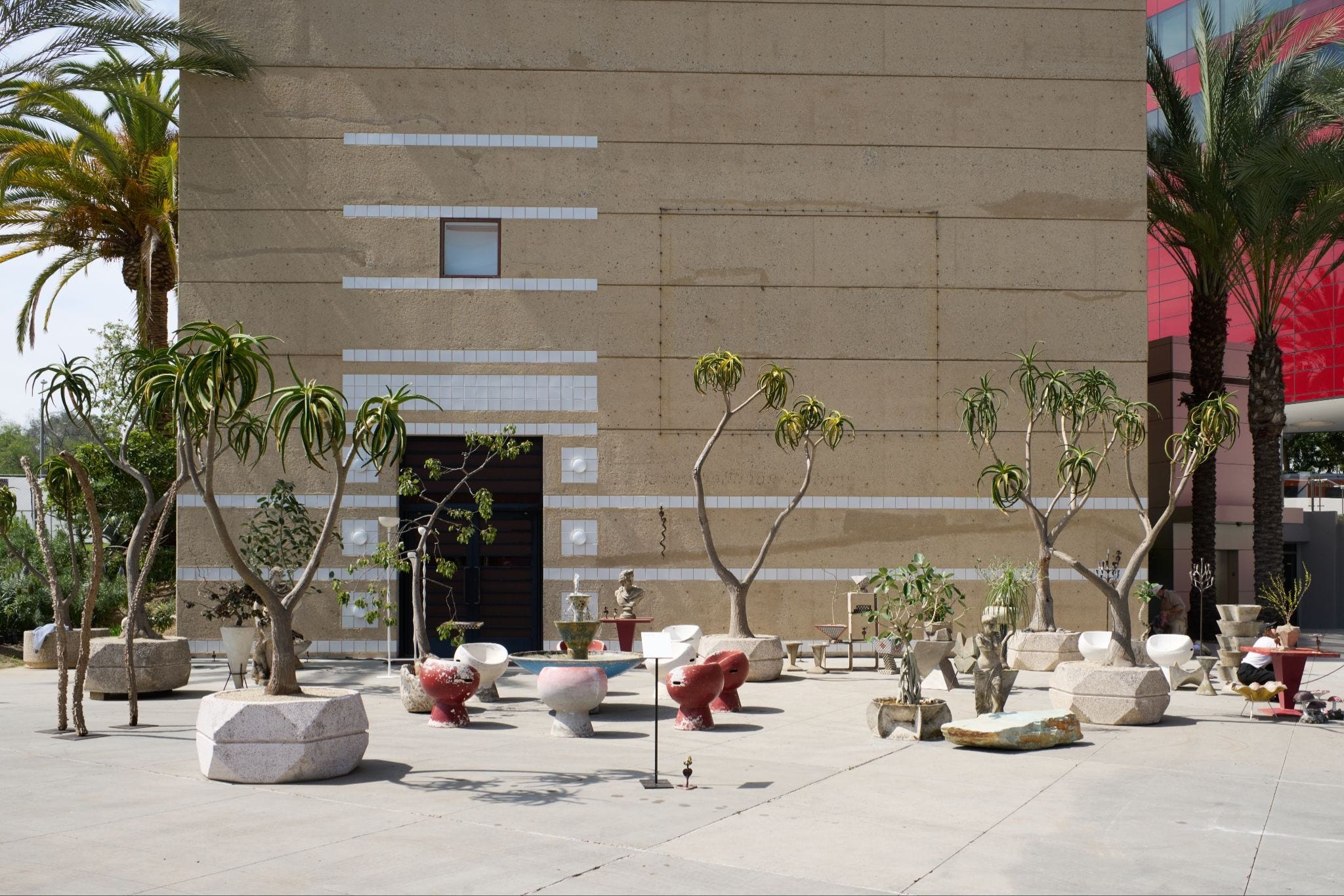
LA is magical, but the event culture can feel pretty soulless. I’ve always loved creating experiences for friends at home that felt intimate and transportive, and Serpentine naturally became an extension of that. We host sound baths, bonsai workshops, wellness gatherings - people can come buy a plant or simply sit among them for a while.
Where do you source your plants?
Everywhere - Facebook Marketplace, San Diego, longtime growers across California. Right now I’m sourcing a Torrey Pine from the Southern California coast. They’re windswept, sculptural, and incredibly difficult to find.
That’s part of the thrill: tracking down rare specimens and building relationships with growers who’ve spent decades cultivating them. You really have to earn access.
Why the name Serpentine?
The Year of the Snake really resonated with me. Snakes shed their skin, and that idea of transformation felt personal. Around the same time, I started seeing nature differently - even trees suddenly felt emotional and cinematic to me.
Serpentine is ultimately about reinvention. When I got into wine, people questioned it. Plants felt similar. If you care enough to put in the work, you can evolve into something entirely new.
Is there a plant you’re still hunting for?
An Australian grass tree that’s survived wildfires. The bark permanently chars as protection, so it ends up looking almost sculpted by nature. There are only a few in Los Angeles, and they’re incredibly hard to source.
What’s next for Serpentine?
Probably a weekend of sleep. But this work feels very different from film or television. Those projects eventually live on a screen. This is physical - cranes, dirt, trees, people building something together.
My favorite moments are still the quiet ones: coming here alone on a weekend, moving things around, and sitting with the plants.
Thanks for reading Own The Future™
I need to make a visit!
consider me an aspiring botanist now 🌱