

Behind The Bookshelf
A bookshelf isn’t just an archive, it’s an argument on what’s worth keeping and what’s worth passing on.

Basic.Space is a curated IRL-to-URL shopping experience for what’s new and next in design, art, and fashion. Own The Future™ is where we go deeper - the why - behind the scenes thinking, inspiration, and motivation for how and what we do.
We caught up with three of our rare print dealers – Geoff Snack of Wrong Answer in New York, Taylor Kan of Offbrand Library in Toronto, and Sean Brickhill of First Edition Library in Melbourne. They came to this work from different places and work in different ways, but they share an underlying discipline: the best print objects are the ones you have to know how to find.
ON PRINT AS GATEWAY
Every collector starts somewhere specific. Often, the book that drew them in is still on their shelf. For Geoff Snack, it was a Damien Hirst artist book - I Want to Spend the Rest of My Life Everywhere, with Everyone, One to One, Always, Forever, Now - that he asked for on his birthday in high school. At the time, it cost somewhere between $100-$200; it sells for many times that today, and Snack still owns it. He named the project Wrong Answer because ideas initially deemed ‘wrong’ – for instance, Pop Art and Minimalism – often reveal themselves as ‘right’ down the line. He collects against the current consensus.
For Taylor Kan, it was a Raf Simons Spring/Summer 1997 Teenage Summercamp lookbook he had to have as a teenager. That obsession grew into a childhood-bedroom archive that got so large he started posting scans online. “Enough people asked if the pieces were for sale,” he says, “and the rest is history.” Offbrand Library remains an extension of Taylor’s shelf today.

For Sean Brickhill, it started with skate magazines. Then zines made by friends. Then making his own. Ari Marcopoulos, Ed Templeton, and Greg Hunt were early inspirations. Time spent shooting and reading eventually went into collecting, and First Edition Library was born.
ON PRINT AS FILTER
Curation is an elimination game by nature. What gets kept and what gets passed over is mostly invisible work – it’s the discipline of looking past the cover.
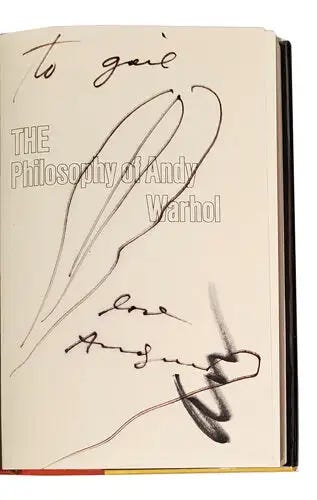
Snack calls it 'instinct informed by context.’ A book piques his interest, and then he digs – who made it, who owned it, where it sits in history. Two pieces he brought to Basic.Space prove the method: the first is a 1940s architecture book with an off-brown cover, completely unremarkable on its surface, except that it came out of Buckminster Fuller’s library and is signed and dated in Fuller’s hand. The second is a beat-up copy of The Philosophy of Andy Warhol, missing its dust jacket. Open it and you’ll find an inscription from Warhol to a Factory photographer, complete with a small soup can drawn in the margin. “On the surface, it looks like garbage,” Snack says.
Brickhill’s approach: buy what you’d want to own, usually titles that inspire his creative practice (even better if its a first edition). He recently got his hands on Shomei Tomatsu’s Okinawa Okinawa, a foundational book in post-war Japanese photography. It was priced far below market, with one page missing and another ripped. “If it doesn’t sell,” he says, “I don’t mind having a copy that’s missing a page. My favourite spread is still intact.”
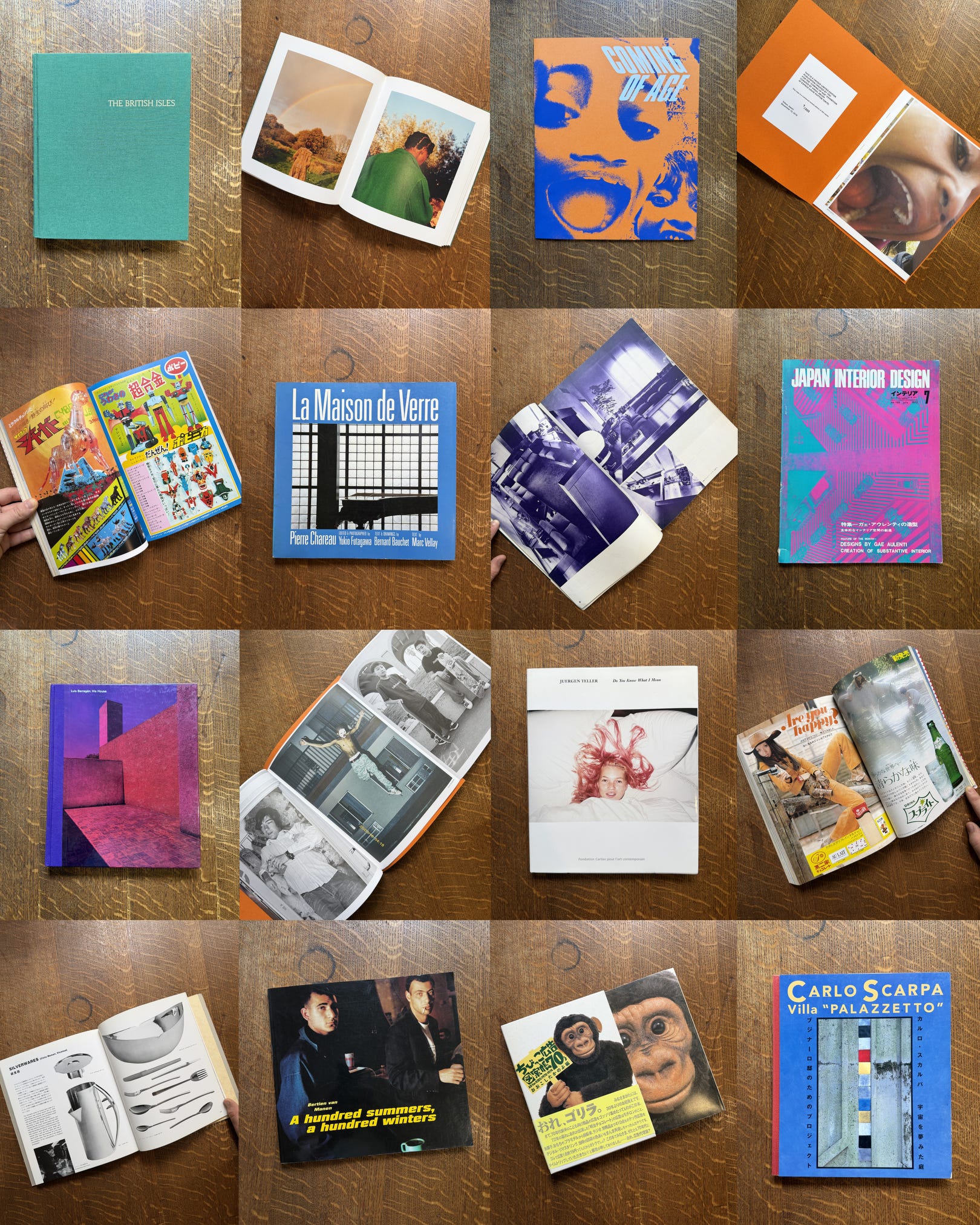
Kan’s eye leans fashion-heavy, with plenty of space for discovery. His standout pick on Basic.Space is Nest Magazine, Issue 12 – the one with the die-cut shape running through every page and an intimate feature by Nan Goldin on her time in the hospital. “Nest definitely has its cult following,” he says, “but I think the wider market may be unaware of how unique this publication is as a whole.”


ON PRINT AS HUNT
The book never comes to you. You go to it. Sometimes it takes years.
Snack works the way the best New York dealers always have – the street, flea markets, a small network, occasional online hunts. “I’ve found extremely rare books on the street,” he says. He’s after one-of-ones now; the market has gotten too good at finding similar.
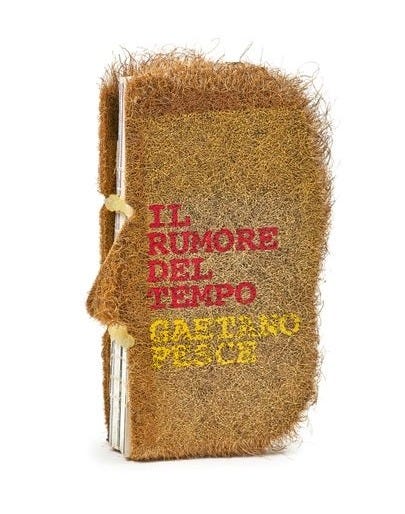
Many of Brickhill’s best finds come from Japanese dealers, but the real gems are often waiting in op shops (thrift stores). “People often skim over skinny books, saddle-stitched books with no title on the spine. Sometimes the zines and catalogues can be the most valuable.” The market moves quickly in both directions – he recently missed a cheap copy of Gaetano Pesce’s Il Rumore Del Tempo; a week later, the same edition was listed elsewhere at five times the price.
Kan’s trajectory was inside out. The bedroom archive existed long before the store; the audience found the scans, not the other way around. What he’s chasing now is older and rarer – original lookbooks, deadstock catalogues, print that documents what won’t get reissued.
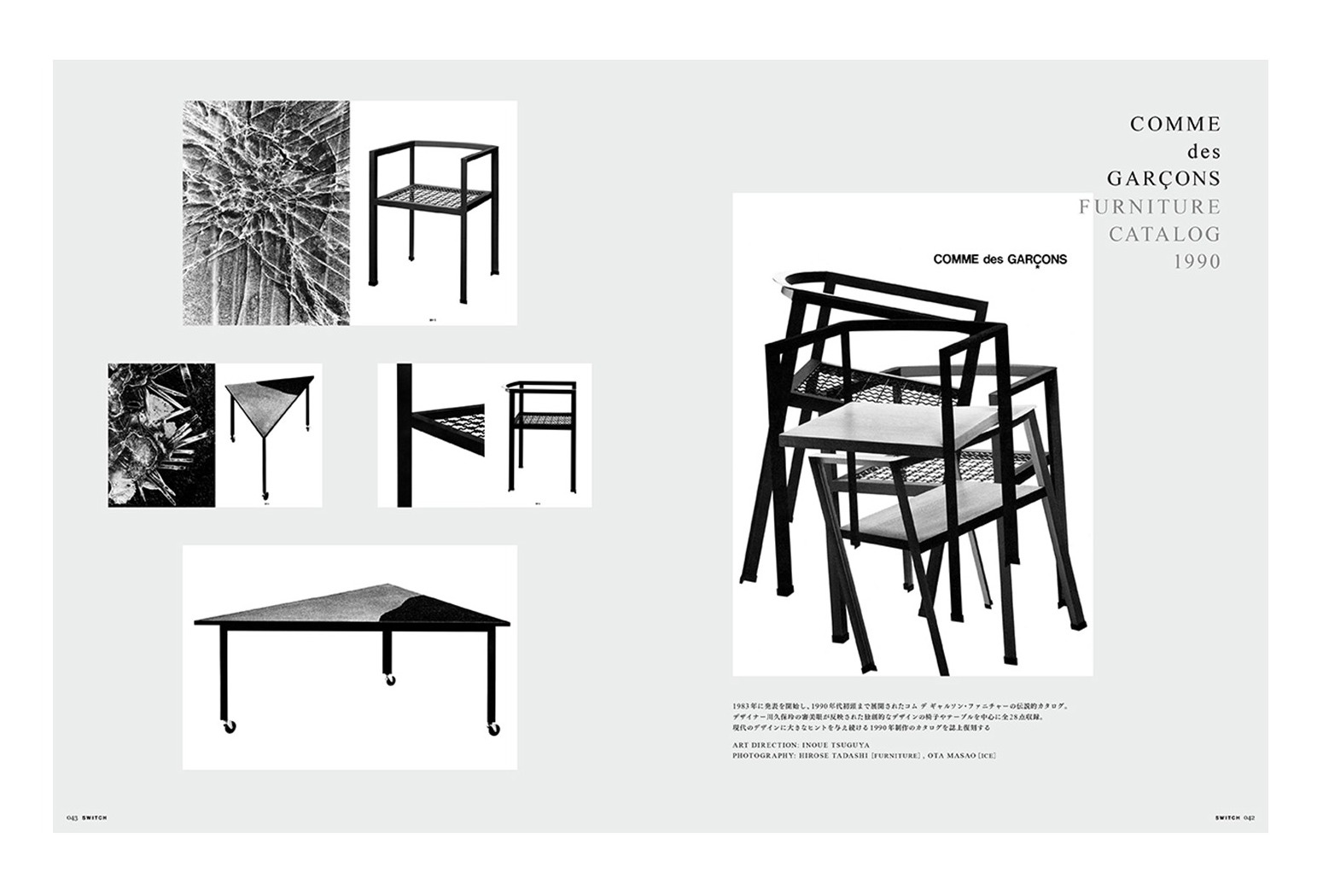
On opposite sides of the world, Kan and Brickhill are hunting the same white whale: the original Comme des Garçons furniture catalog in its metal case. Reprints exist, originals are elusive. Brickhill knows a friend in Melbourne sitting on two copies, waiting for the day one needs to move.
ON PRINT AS REFUSAL
Every collector’s market is also a cultural one – what people are willing to pay for is usually downstream of what they’re tired of.
What’s pulling younger generations back to print, Kan thinks, is the same instinct that pulled him in: a desire to opt out of preordained discovery. “Many of us grew up on algorithm-based platforms like Tumblr and Instagram,” he says. “Nobody is telling you what to see; you flip through and find things you’d never discover otherwise.” Nothing about the book in your hand was optimized for you. That distance – between page and feed – becomes increasingly meaningful.
The titles on Basic.Space didn't get there because an algorithm surfaced them. They got there because three people in three cities went looking, kept looking, and eventually opened the cover everyone else walked past.
Wrong Answer, Offbrand Library, and First Edition Library are on Basic.Space.