

Against The Grain
Monument London on treating furniture as art, cultivating taste through research, and building one of London's most distinctive collectible design galleries.

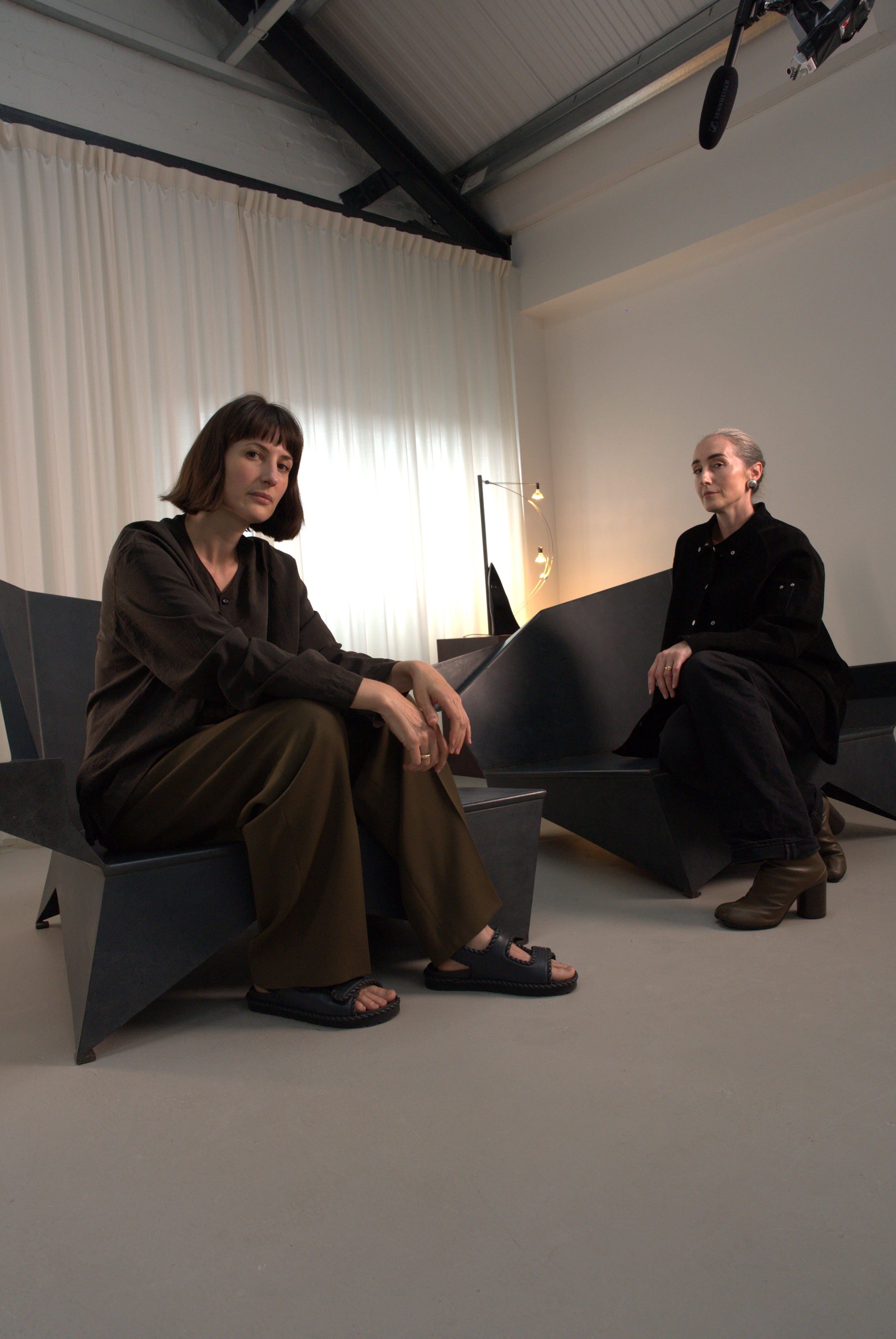
New Zealand-born Leah Forsyth-Steel and Victoria Spicer founded Monument London in 2020, a collectible design gallery shaped by a rigorous approach to sourcing, styling, and curation. Drawing on Forsyth-Steel’s background in museum curation and brand management and Spicer’s training in set design at Elam School of Fine Arts, the pair have cultivated a distinctive point of view rooted in the radical design movements of 1970s Italy and 1980s Germany.
At Monument, rare furniture and objects are approached not as functional pieces but as artworks in their own right - each selected for its material presence, historical significance, and sculptural quality. Their discerning eye has attracted a growing international clientele, establishing Monument as a notable voice within the contemporary collectible design landscape.
We sat down with the pair at their East London gallery ahead of Basic.Space London.
What does taste mean to you?
VS: Taste is something that’s developed over time that requires thought and investigation. Taste is very individual - it’s a form of creative expression. I have a great respect for someone with entirely different taste to yours.
How did you approach building this space?
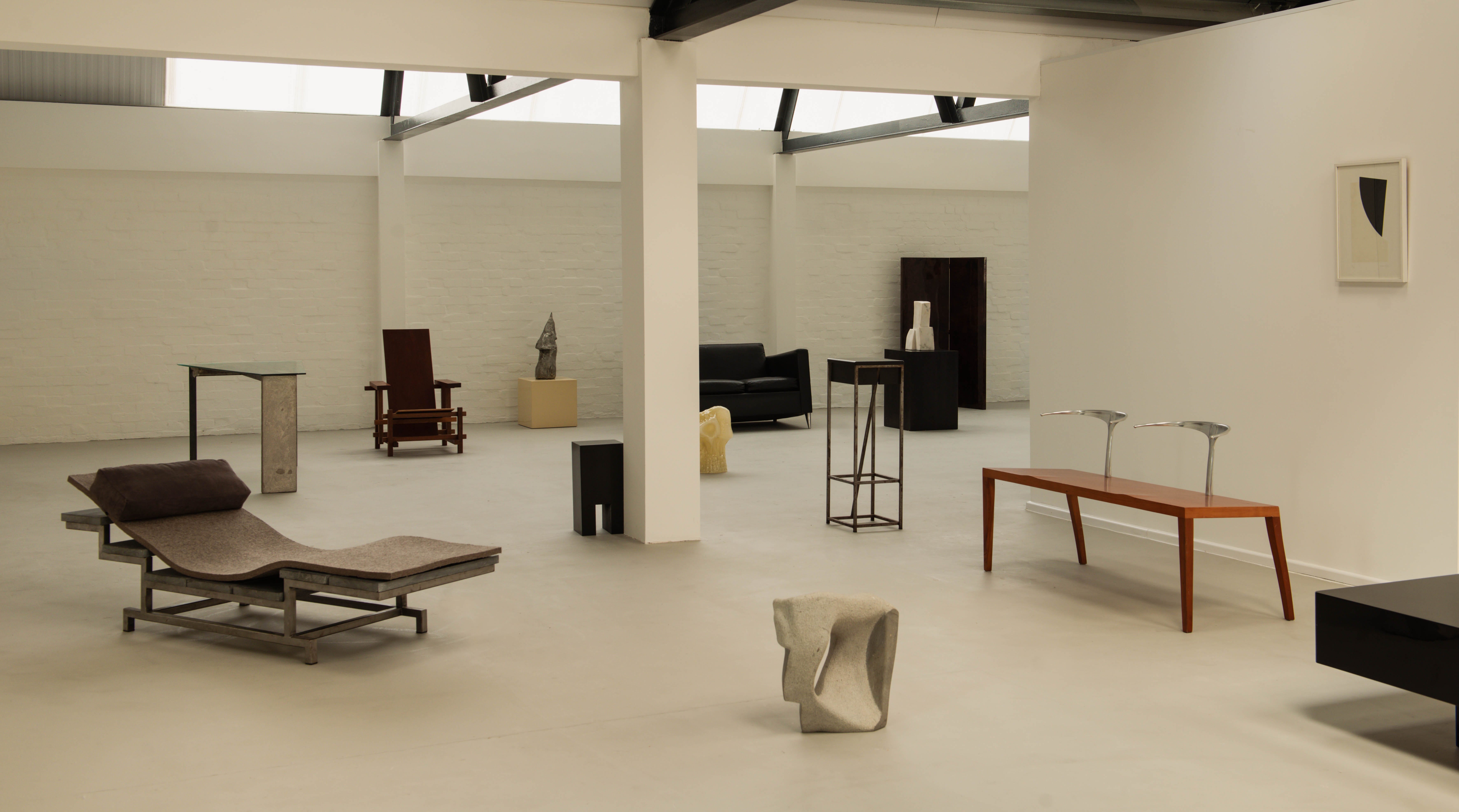
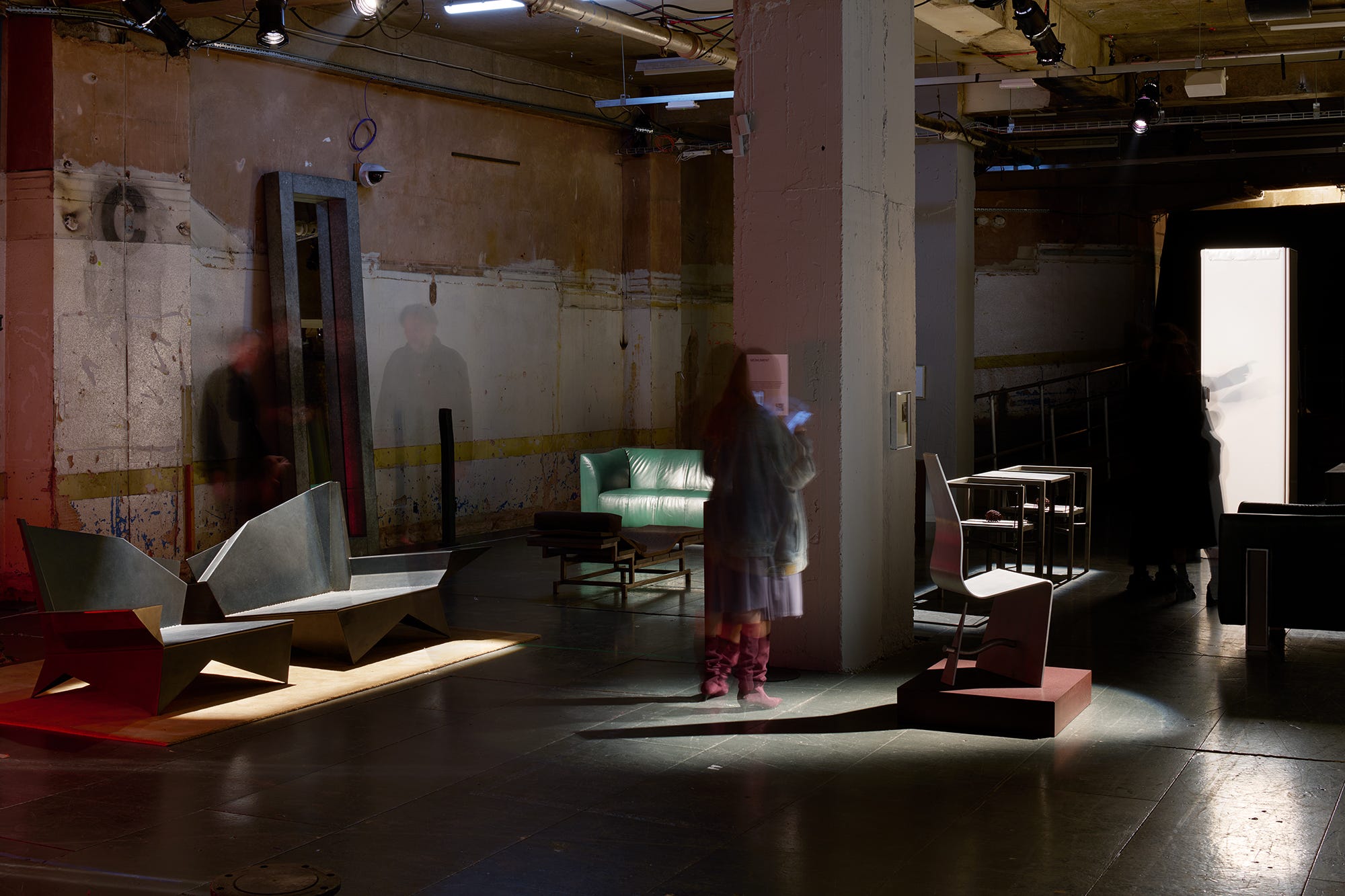
LFS: It was really important to us that we could create an environment that was Monument. We’re in this industrial village, it’s super unexpected. People walk down the driveway phoning ahead asking, “am I in the right place?” But as soon as you walk to the door you see the first sphere, and for us that’s the moment you’ve arrived. As you make your way up the stairs we’ve deliberately placed pieces that represent us - rocks, stone, warm lighting - and then the main gallery opens up as this canvas for us to experiment in.
What do you want people to feel when they’re in it?
VS: We wanted to be able to present pieces on their own, to really hero the works. Every piece needs enough space for the viewer to contemplate, away from any domestic context. We like our pieces to be seen as artworks rather than objects in a home - we find that gives them a deeper perspective.
How has your eye changed since you started?
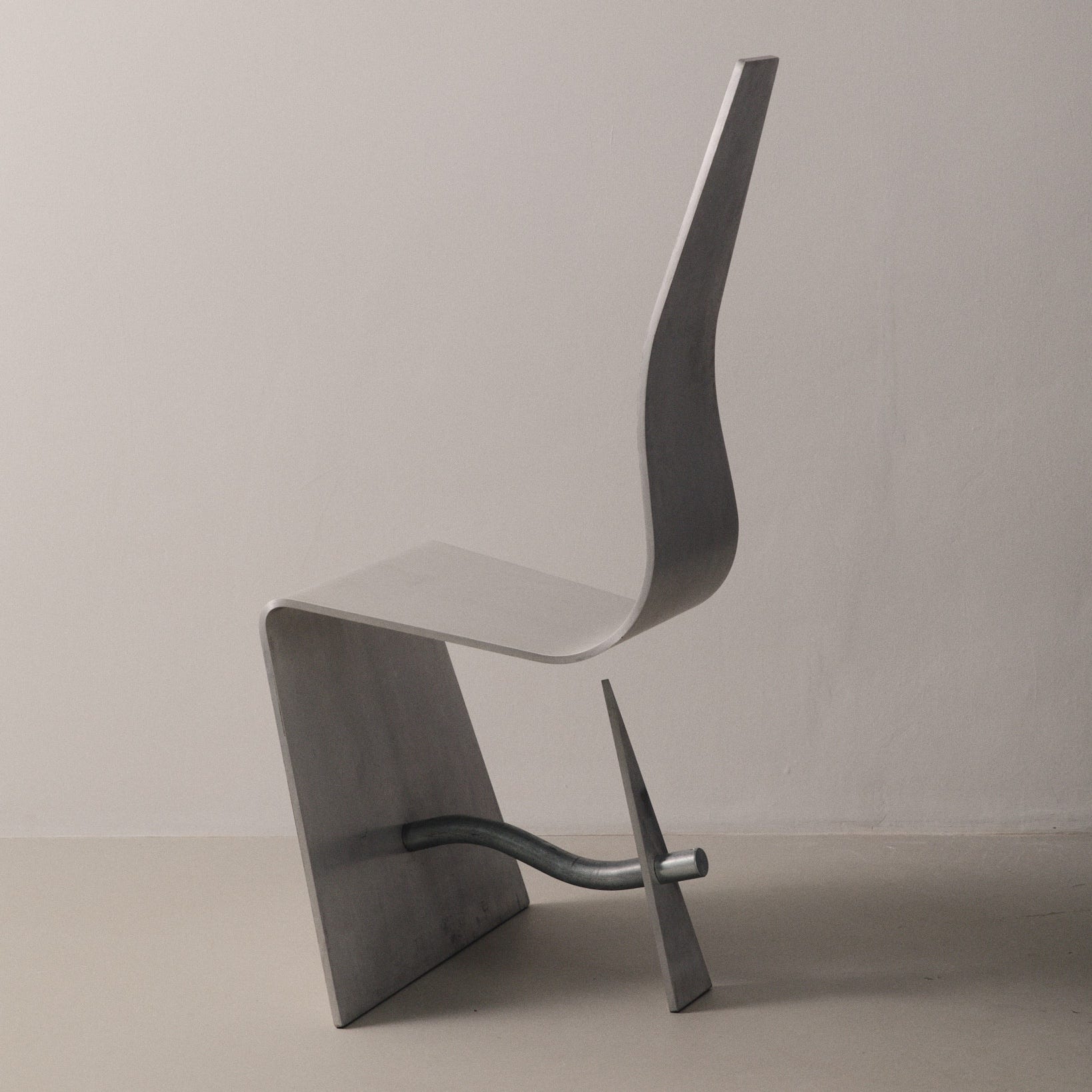
LFS: What’s interesting is that what we have in the gallery at any point really reflects where we are in our own research. When we started out we were very into 1970s Italian - a lot of marble, a lot of stone. It was highly impractical; we must have shifted tons of it over the first few years. As our taste evolved we started to seek out the radical design of the 1980s - what was happening in the UK and specifically in Germany. Part of what was happening then was the use of industrial materials - a lot of metal, a lot of steel - and you see it start to creep into our collection. Now people would probably say we’re more known for metals.
Is there a misconception around the work you gravitate towards?
LFS: I think it can be perceived as something that is hard or cold. But we don’t experience it that way. We see it as something that can be used really artfully. You see it with more fluid forms or more geometric angular forms. It’s an exciting material and it has a lot more possibilities than stone.
Is there a piece here that speaks to that - something with an unexpected history?
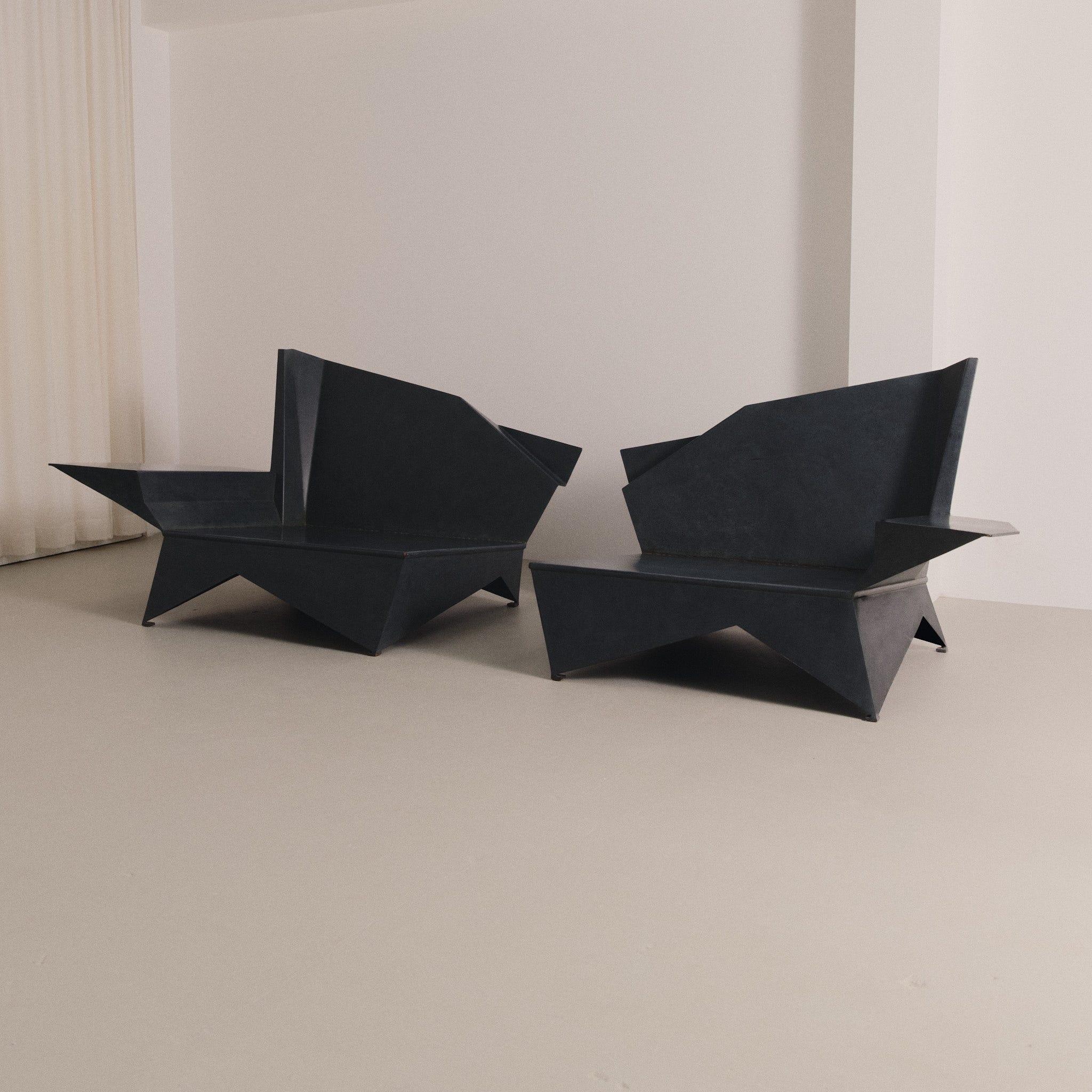
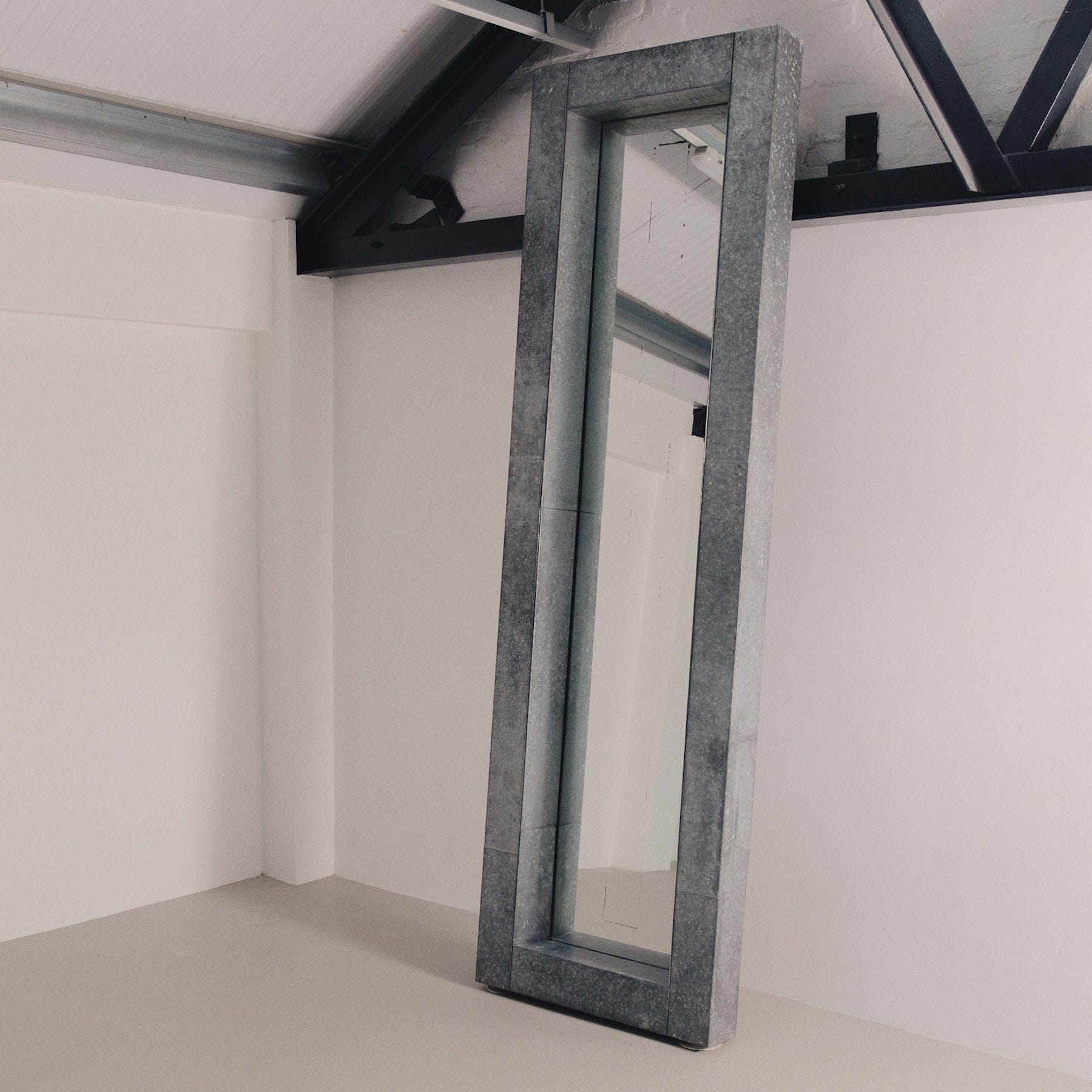
LFS: This mirror was designed by Tom Dixon in the early 90s as a special commission for James Worrell. Tom was known for his period of creative salvage in the 80s, working with scrap metal from Chelsea scrapyard - but this piece was really about what was available to him at the time. He’d moved to a studio next to someone working on air conditioning ventilation, and that material - galvanised zinc - was simply what was at hand. Only 25 were ever made; four are in the home of one individual, and this is the fifth. Very typical of Tom’s work. We love it.
Is there a piece in the space that feels especially significant to you?
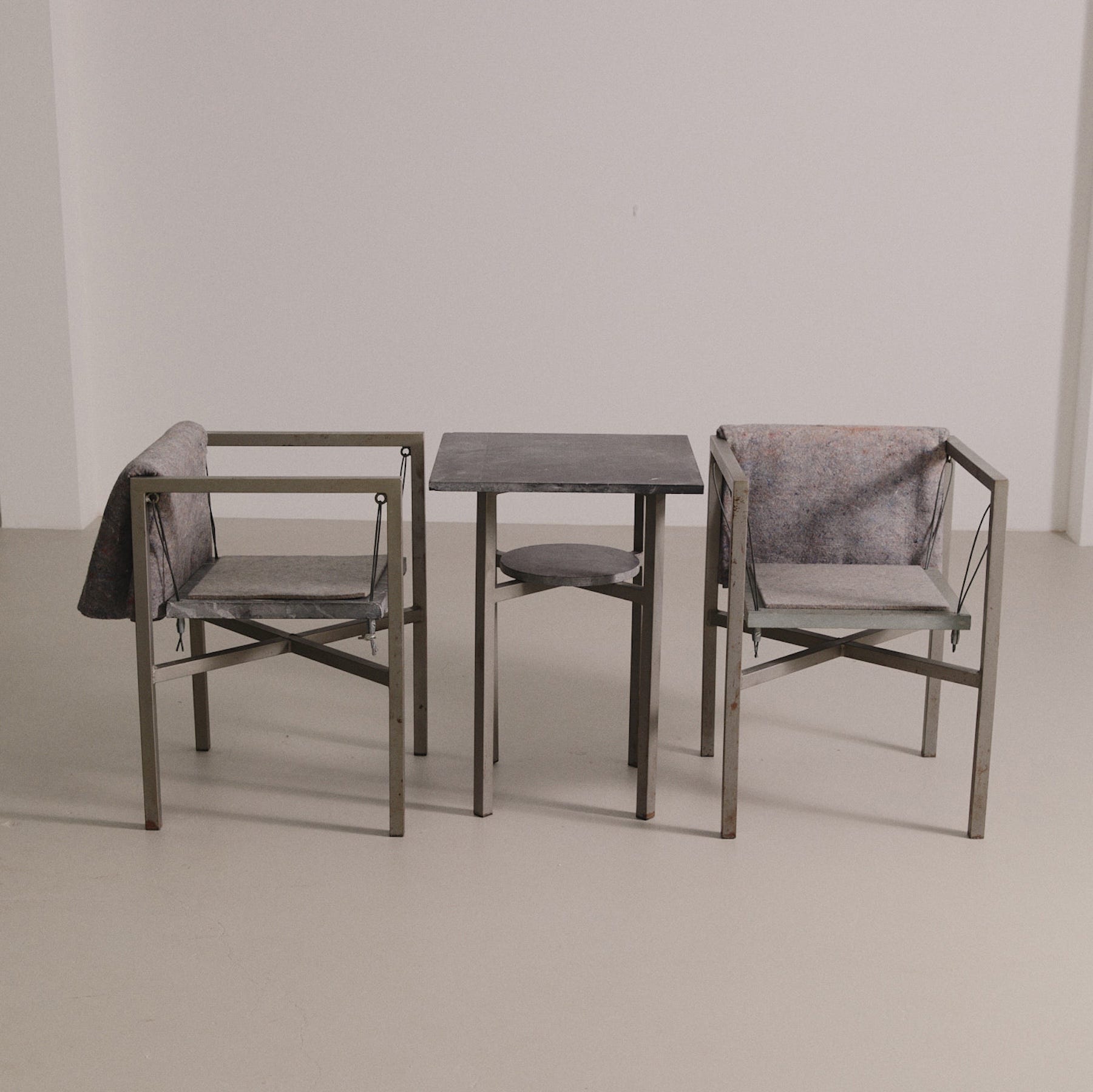
VS: This trio, the Sensilla Chair and Sensilla Messa, designed in 1988 by the late Christoph R. Siebrasse. He and his partner Rainer Schenk were key figures of the new German design movement. What’s really special about this piece is that it’s the first of its kind to be fully suspended using wire that was used regularly in aircraft. As a furniture artist he brought something entirely new to the form.
How do you think about the relationship between pieces?
LFS: The conversation we’re most interested in is juxtaposition. Sometimes there is this less obvious language that the designers or artists have imbued, and you can see how the forms connect - or the philosophy connects - and we really love to play with that. We acquired the Otto Zapf ‘Softline’ cabinet for that reason. It was inspired by apparel - you can see it with the studs, the soft fabric, the zippers. It’s quite unusual for us, but against the metals, against the stone, its softness combined with its grand size means it holds its own. That for me feels like a great conversation within the space.
Watch the full Taste episode on Monument on Youtube.
Thanks for reading Own The Future™